Hardwood plywood is the sheet good I reach for most often when a cabinet box needs to stay straight, take a finish well, and hold up after years of door slams. In a whole-home project, the panel you choose matters almost as much as the drawer slide or hinge, because the box is what everything else rides on. If you get the core and veneer right, the finished work feels solid instead of hollow.
For homeowners, the tricky part is that not every panel sold as cabinet material is built the same. Two sheets can both look like maple on the face and still behave very differently once they are ripped, edged, and screwed together. The right choice depends on the room, the finish, and how much abuse the cabinet will take over time.
What hardwood plywood changes in a cabinet box
When I spec hardwood plywood, I am usually buying stability first and appearance second. A cabinet side made from a decent veneer-core panel stays flatter than solid lumber, moves less across the seasons, and gives you a cleaner starting point for paint or stain. For built-ins that run wall to wall, that matters. A box that twists even a little makes doors hard to align and trim gaps harder to hide.
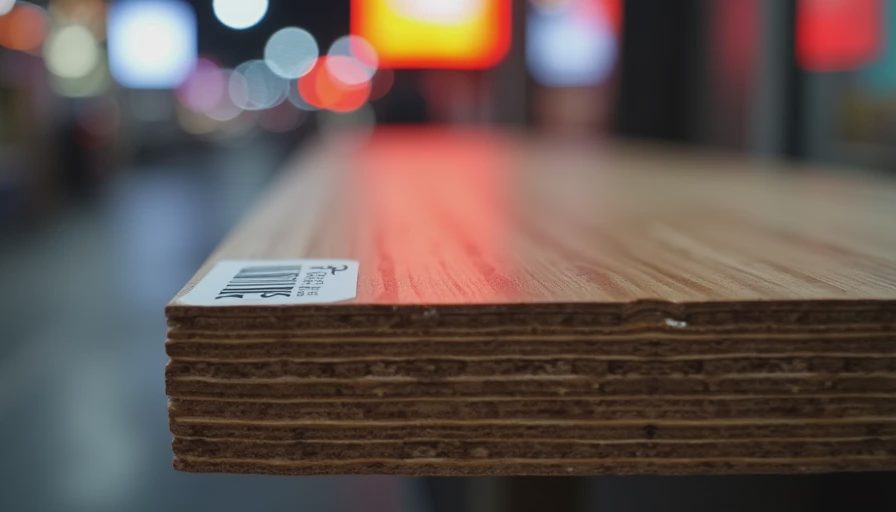
Most residential work uses 3/4-inch panels for sides, tops, and bottoms, with 1/2-inch material for lighter-duty partitions or backs when the design allows it. Veneer-core construction is my default because it holds screws well and feels right in joinery. MDF-core panels can be very flat and are useful for painted cabinetry, but they are heavier and less forgiving around exposed edges or fasteners. Particleboard-core panels are cheaper, yet they do not belong everywhere. I will use them in some melamine systems, but not where the cabinet needs a long service life and repeated hardware changes.
Face grade matters too. A cabinet face that will be painted can live with a lower visual grade than a clear-finished cherry or white oak door opening. If you are comparing sheets at the lumberyard, ask what the face, back, and core are, not just what species is printed on the tag.
The grades and cores I trust most
For visible work, I like clean veneer faces with a predictable grain and enough thickness to survive sanding. Maple is common for painted interiors and clear finishes that need a calm look. White oak is a strong choice when the goal is a warm, durable cabinet that still reads modern. Birch is often the budget-friendly option, though the face can be plain and the color variation wider than homeowners expect.
Baltic birch gets a lot of attention for good reason. It is built from many thin plies, which makes it stiff and easy to machine. I use it when I want a tough box with a crisp edge, especially in shop-built drawers and utility areas. The tradeoff is cost. Depending on market and species, a good cabinet-grade sheet can land anywhere from roughly $80 to $170, while specialty panels and premium veneers can run higher. In a kitchen, that difference adds up fast, but it is still small compared with labor.
The point is not to buy the most expensive panel. The point is to match the panel to the job so you are not paying for beauty where nobody sees it or saving a few dollars in a place that will get abused.

How I specify it room by room
In kitchens, I care most about durability around sinks, dishwashers, and tall pantry runs. That is where hardwood plywood earns its keep, because the cabinet box has to stay true while appliances generate heat, moisture, and vibration. I want sturdy sides, solid shelf support, and a back that does not telegraph every waviness in the wall. For painted kitchens, I may still choose a better core under the finish because a smooth build starts before the primer.
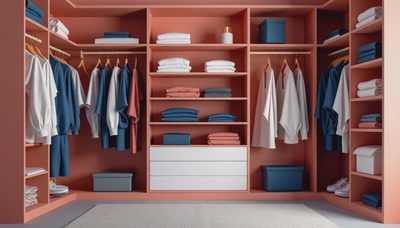
In closets and mudrooms, the math changes. You still want a clean edge and good screw-holding, but the loads are often lighter than in a kitchen. That means you can sometimes step down one grade or simplify the veneer species without hurting performance. In a vanity, I am cautious near plumbing. A box that lives under a sink should not be built from the thinnest or cheapest panel just to save on material.
For bookcases and wall units, the long span is the issue. Shelf sag is not about style; it is a function of span, thickness, and support. If a homeowner wants deep shelves loaded with books or records, I would rather spend a little more on better panels and smarter cleats than come back later to fix a smile in the middle of the run.
Where hardwood plywood saves money and where it doesn't
This is where planning beats instinct. Hardwood plywood saves money when it lets the shop build faster, use fewer framing parts, and finish the box with less fuss. It can also reduce callbacks because doors line up better and shelves stay truer. That is real value. On a $25,000 to $45,000 built-in package, spending an extra few hundred dollars on better panels is often cheap insurance.
It does not save money when a low-quality sheet creates waste, chips out badly on the saw, or needs extra edge work to look finished. Cheap panels can eat labor through cleanup alone. If the face veneer is thin and fragile, sanding through it on a touch-up is enough to ruin an otherwise good box. That is why I tell homeowners to think in system costs, not sheet price alone.
The other place to be careful is painted work. Some builders treat paint as a reason to buy the least expensive panel available. I do the opposite. If the finish is opaque, the panel still needs to machine cleanly and stay flat. Paint hides color. It does not hide movement, sag, or bad edges.
A practical hardwood plywood buy list before you order sheets
Before you order anything, ask for the species, the core type, the thickness, and the face grade in writing. If the supplier cannot tell you whether the sheet is veneer core, MDF core, or particleboard core, that is a sign to keep shopping. For most residential cabinetry, 3/4-inch stock is the safe starting point, with 1/2-inch or 3/4-inch used only when the design calls for it.
Also ask how the shop plans to edge the exposed sides. A good edge band can make a cabinet look like solid wood from normal viewing distance, but only if the substrate is worth finishing. If you are doing a clear finish, make sure the veneer species on the face matches the door material closely enough that the grain does not fight the design.
In the end, hardwood plywood is not about choosing the fanciest panel in the rack. It is about giving the cabinet box the right foundation so the doors close cleanly, the shelves stay level, and the whole room feels built in rather than assembled. If you are planning a kitchen, pantry, or wall of built-ins, ask your cabinetmaker to spec the panel before the cut list is finalized. That one decision sets the tone for everything that follows.




No comments yet — grab the first one.