If you are tired of digging through a rack that bows in the middle or shelves that waste half the wall, closet systems are one of the fastest ways to make a house feel calmer. I have built enough storage projects to know the difference between a tidy showroom layout and a closet that works on a Tuesday morning when you are late for work. The right setup gives every shirt, shoe, and winter coat a real place, and it does it without forcing your room into a catalog plan.
What closet systems do well
Good closet systems solve three problems at once: they use height, they separate categories, and they make access easy. A reach-in closet often needs a simple mix of single-hang, double-hang, a few fixed shelves, and one drawer stack. A walk-in closet can do more, but the goal is still the same. You want the system to fit the habits of the people using it, not just fill the wall with panels.
The best layouts are boring in the right way. They keep long coats from crushing dress shirts. They give bulky sweaters a shelf instead of a wire basket. They leave enough floor space to stand in front of the rods and actually see what is there. That is why I like starting with measurements, not products. Room size, ceiling height, door swing, and baseboard depth all matter before you ever pick a finish.
Prefab, semi-custom, and custom closet systems
Most closet systems fall into three lanes. Prefab kits, like IKEA PAX, ClosetMaid, or Elfa, are built for fast planning and lower entry cost. They are useful when the room is pretty square and the budget is tight. Semi-custom lines sit in the middle. They offer more finish choices, better hardware, and a cleaner fit without the full price of a shop-built job. Fully custom work is where you pay for exact dimensions, site scribing, and a layout tuned to the house.
That cost difference is real. A small prefab reach-in can land in the low hundreds if you assemble it yourself, and installed projects often land around $1,500 to $3,000. Semi-custom can run from roughly $2,500 to $6,000 for a modest closet, while a fully custom walk-in can move from $6,000 into five figures once you add drawers, specialty storage, and painted or stained finishes.
The cut list that keeps the closet usable
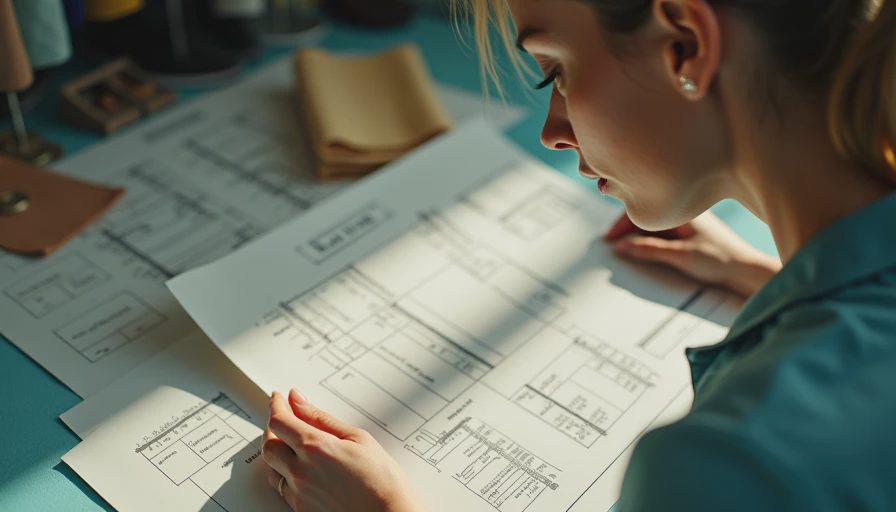
When I draw a closet, I think in clearances and cut lists. A single-hang section usually wants about 66 to 70 inches of vertical space for long garments. Double-hang works well when each level gets about 40 inches of height, including rod clearance. Shelves for sweaters do better at 12 to 14 inches apart than at random gaps that look good in a render but stack poorly in real life.
Drawers deserve more attention than most people give them. A three-drawer stack near eye level is better than a tall bank at the bottom where socks disappear. Full-extension slides matter because they let you see the back of the drawer. Blum Tandem, Grass, and Salice are all common choices in this price range. For rods, solid support beats a flimsy oval tube that twists under load. If the system has a lot of doors, check hinge quality too. Soft-close is nice, but alignment and screw holding are what keep doors from drifting out of line six months later.
Materials and hardware that hold up
I am not allergic to melamine. In a closet, it is often the smartest material because it is stable, clean looking, and usually more affordable than veneer plywood. The key is thickness and edge treatment. A 3/4-inch melamine panel with clean edge banding is a lot better than thin stock that flexes every time you hang a winter coat. If the job needs a warmer look, birch plywood with a clear finish is a solid upgrade. For painted work, MDF can be fine on door fronts and drawer faces, but I would not use it where a lot of fasteners need to bite and re-bite over time.
Hardware is where cheap jobs get expensive later. Screw a rod bracket into weak material and it will loosen. Use undersized drawer slides and the drawer starts sagging before the season changes. The same goes for backs and stretchers. A closet does not need furniture-grade overbuild everywhere, but it does need enough structure to stay square when the house moves a little, which every house does.
How to budget closet systems without guessing
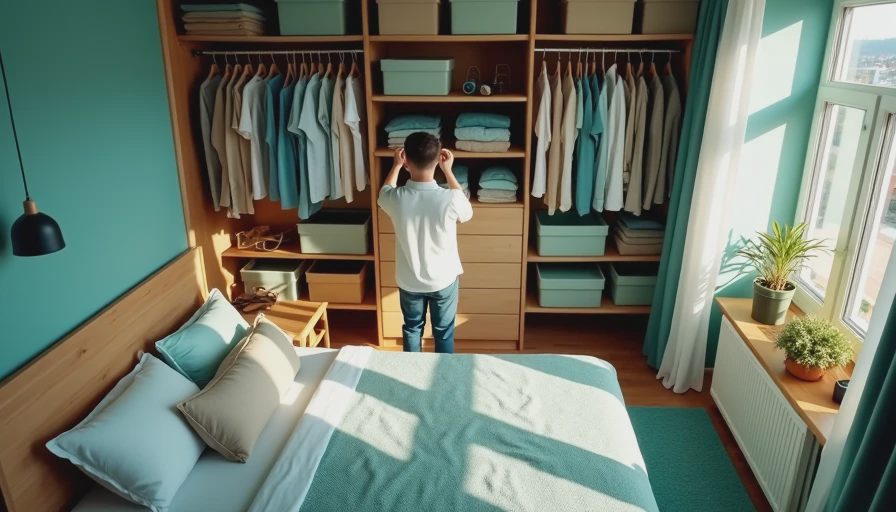
Most closet systems are priced backward. People start with a photo and a wish list, then wonder why the quote is higher than expected. A better way is to decide what matters most: more hanging space, more drawers, better finishes, or a built-in look that disappears into the room. Each choice changes labor and material.
If the room is simple, prefab or semi-custom can get you to 80 percent of the function for a lot less money. If the walls are out of square, the ceiling slopes, or there is trim that needs to be tied in, custom starts to make more sense. The labor is not just for beauty. It is for making the unit fit without gaps, shims, and awkward filler strips that catch your eye every time you open the door.
A good bid should spell out cabinet material, drawer construction, hardware brand, finish type, and install method. If you only get a lump sum, ask for a line-item breakdown. That is where you see whether the price is going into better joinery or just a fancy brochure.
When custom is worth the jump
Custom pays off when the house is irregular or the storage needs are specific. Older homes often have sloped floors, crooked plaster, or trim details that fight standard boxes. A custom shop can scribe to the wall, match the casing, and build around odd corners instead of pretending the room is square. It also helps when one closet has to do serious work: two adults sharing a narrow walk-in, a primary closet with seasonal storage, or a mudroom-style entry that handles shoes, bags, and sports gear.
That is the point where closet systems stop being a product and start being part of the architecture. You are not buying a temporary organizer. You are deciding how the room should function for the next ten years. If you want help thinking through that trade-off, start with a measured drawing and a real list of what the closet has to hold. The right plan usually becomes obvious once the numbers are on paper.

No comments yet — grab the first one.