When a homeowner asks what sheet goods belong in a kitchen, closet, or vanity, cabinet grade plywood is usually the first serious material on the list. It is not the fanciest panel in the yard, and it is not the cheapest either. What it gives you is a stable box, decent screw holding, and a face that can stay clean under paint or veneer without fighting the build. In a whole-home project, that matters because the boxes are the part you live with every day. Doors and drawer fronts get the attention, but the carcass is what keeps the joinery honest.
What cabinet grade plywood really means
The phrase is shop shorthand, not a government label. In practice, it means a plywood panel with a respectable face veneer, a core that stays flat, and fewer voids than the bargain stack at the home center. When I write cabinet grade plywood into a bid, I am usually asking for hardwood plywood with an even surface, a glue line meant for interior work, and enough consistency that a cabinet box can be assembled without shimming every corner. Common options include birch, maple, oak, and prefinished panels from mills like Columbia Forest Products or Roseburg. Baltic birch is another familiar choice when you want clean edges and solid screw holding.
For a custom shop, that consistency saves time twice. First, it cuts cleaner on the saw. Second, it makes the install go faster because the parts actually match the drawing instead of fighting it. That is why I do not treat the sheet as a commodity. A good panel lets the joinery do its job, which is what you are paying for in the first place.
Where it earns its keep in the house
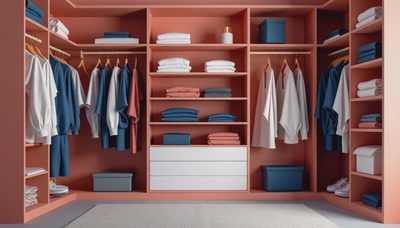
For a kitchen, it belongs in the carcasses, pantry towers, refrigerator surrounds, and any tall run that needs to stay square after installation. For closets, it keeps long shelves from sagging as fast as particleboard, especially when the spans get wide. In a mudroom or utility room, it handles wet boots, pet gear, and daily abuse better than a lot of builder-grade boxes. For painted built-ins, I still like cabinet grade plywood for the carcass and MDF for applied panels or door parts when a dead-smooth paint surface matters. That split keeps the structure strong and the finish clean.
It also helps when a room is not perfectly true. Old houses move. New houses settle. A decent panel gives you enough stiffness to scribe, shim, and fasten without turning every wall into a negotiation. That is the difference between cabinetry that looks installed and cabinetry that looks like it belongs there.

What I look for in a sheet
I start with the real thickness, not the label on the yard sticker. A 3/4-inch sheet is usually closer to 23/32, and that matters when you are matching rails, fillers, and overlay gaps. Then I look at the face veneer. The grain should be consistent enough that one door stile does not look like it came from a different tree than the next one. I also flex the sheet and check the edges for hidden voids, because a void at the wrong spot turns into a weak screw bite or a patch you have to hide later. In practice, cabinet grade plywood should rip cleanly, hold a fastener, and leave you with fewer surprises at the install.
I also pay attention to how the sheet sounds when I tap it and how the corners look after a fresh cut. If the face chips badly on a sharp blade, that is usually a sign that the panel will cost you time in edge banding, sanding, and touch-up. A better board does not make the job glamorous. It just keeps the work moving without extra cleanup.
The numbers that actually change the budget
A basic 3/4-inch hardwood plywood sheet can run from about 80 to 140 dollars in many markets, while better prefinished panels or Baltic birch often land closer to 140 to 220 dollars. That spread looks small until you are buying 15 to 25 sheets for a kitchen and pantry package. At that point, the difference can be several hundred dollars in materials and more in labor if the cheaper panel chips badly or fights your cut list. Edge banding, if you want a clean exposed edge, adds a little more. If you are spending five figures on cabinets, cabinet grade plywood is not where I try to pinch pennies. One bad sheet can cost more in labor than the upgrade would have cost at the yard.
The bigger budget mistake is buying the cheapest sheet and then paying a skilled shop to make it look expensive. That is backwards. The panel should support the craftsmanship, not create a repair job for it.
How to specify it so the bid is honest
If you want a clean estimate, ask for the actual panel spec: thickness, species, face grade, and whether the backs or shelves will be prefinished. A shop should be able to tell you whether the cabinet boxes are birch plywood, maple plywood, or a mix, and where any exposed edges will be banded. I also like the cut list to call out backs, shelves, and toe kicks separately, because not every part needs the same panel. That is where the budget gets smarter. You pay for the right material in the visible places and stop overspending where the part disappears behind a wall.
If you are collecting bids, this is one line worth asking for in writing. It keeps one shop from quoting a premium box and another from slipping in the thinnest thing they can source. You do not need a dissertation. You need a clear spec that compares apples to apples.

When to spend up and when to stay modest
Spend up when the cabinet will be seen, touched, or loaded hard. A kitchen island end panel, a bookcase face, or a mudroom bench gets enough wear to justify a better sheet. Stay modest in a utility run, a hidden filler panel, or a shop-built carcass that will be painted and never opened by anyone but the installer. The goal is not to use the most expensive sheet everywhere. The goal is to use the right panel in the right place so the project feels solid without blowing the whole allowance. If you are comparing cabinet grade plywood options now, ask for one sample sheet, then look at the edge, the flatness, and the way it takes a screw. That tells you more than the marketing label ever will.
A good panel will not make a bad design good, but it will keep a good design from getting dragged down by swelling edges, wavy faces, and sloppy fasteners. That is enough reason to be picky.




No comments yet — grab the first one.