I've spent nineteen years building custom cabinetry in Seattle, and there's one question every homeowner asks me before we start: is it really worth the money? It's a fair question, because the gap between stock cabinets and custom cabinetry is wide — in both price and quality. This guide breaks down what you're paying for, where the money goes, and how to decide if a full custom build makes sense for your home.
The Three Tiers of Cabinetry
There are three levels of cabinet construction, and it helps to know where you're shopping. Stock cabinets are mass-produced in standard sizes, sold through big-box stores and online. They're fine for a budget remodel, but the boxes are often built from thin particleboard with vinyl wrap, and the sizing rarely fits an older house perfectly. Semi-custom cabinets give you a few more door styles and finish options, but the boxes are still built to a limited set of dimensions. A fully custom build, by contrast, is built to the exact dimensions of your space, from the millwork design to the hinge placement. Every piece is cut, assembled, and finished in a shop like mine, which means the result fits like a glove.
What Custom Cabinetry Actually Costs
Let's talk numbers. In Seattle, a true custom kitchen runs between $800 and $1,500 per linear foot of cabinets, including installation. A custom pantry or home office built-in might land between $6,000 and $15,000 depending on size, wood species, and hardware. That sounds like a lot compared to stock, but remember that stock prices don't include the cost of filler pieces, shims, and the carpenter who has to make it work. When you price out a full custom install with all the scribes and finished end panels, the gap narrows. Custom cabinetry isn't cheap, but the price reflects the material grade and the labor hours.
The Materials That Matter
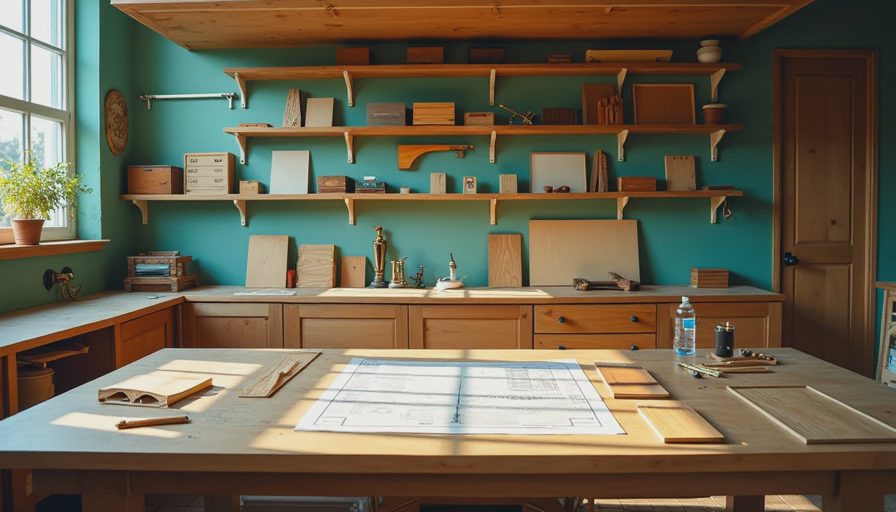
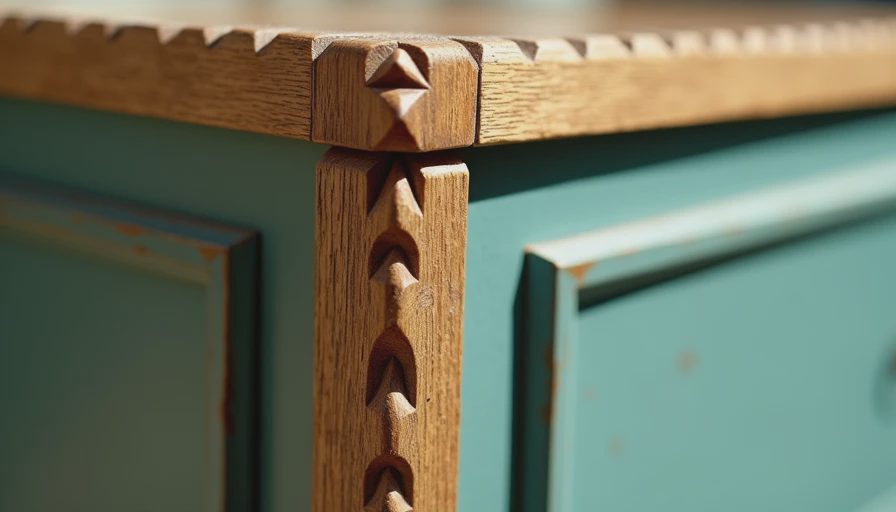
One reason custom cabinetry holds its value is the material spec. I use a lot of Baltic birch plywood for boxes — not the standard furniture-grade plywood you find at the home center. Baltic birch has more plies, which means it resists moisture and won't warp behind a sink. For drawer boxes, I use solid maple dovetailed sides. Those joints are cut on a dovetail machine, but the result is a drawer that can take twenty years of slamming. Door frames are often made from quarter-sawn white oak or walnut, which doesn't cup the way plain-sawn lumber can. Hardware matters too. Blum soft-close slides and hinges are the standard in my shop; they're made in Austria, they're rated for 100,000 cycles, and they feel solid on day one and day three thousand.
How the Process Works
If you decide a custom build is right for you, here's what the process actually looks like. First, I come to your home and take laser measurements of every wall, corner, and window. A 3D model lets you see the millwork in your actual space. After you approve the layout, we create shop drawings with exact cut lists. Your wood is milled, joinery is cut, and the boxes are assembled in the shop. We finish everything at the bench, then deliver and install. The whole process takes six to ten weeks from design to install for a typical whole-home project. That timeline is longer than ordering stock cabinets, but you're getting a piece of furniture built into your house, not a box bolted to the wall.
Where Custom Cabinetry Makes the Biggest Difference
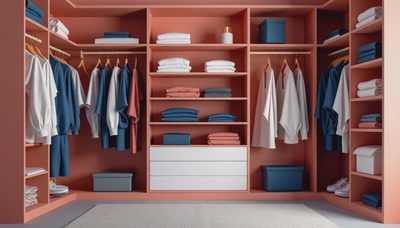
A kitchen is the obvious place, but the real payoff can come in the rooms people forget. A custom entertainment wall can hide every cord and console, while turning a family room into a proper media space. A mudroom built-in with cubbies, drawers, and a bench might be the best $8,000 you ever spend on your home — because it gives every backpack and boot a home. For anyone working remotely, a custom home office with floor-to-ceiling shelving, a desk that fits the exact width of the room, and integrated cable routing can be the difference between a cluttered corner and a focus zone.
The same principles apply to pantries, laundry rooms, and even bathrooms. When you treat the whole house as a system of storage, custom cabinetry stops being an expense and starts being an upgrade you use every day.
Is Custom Cabinetry Worth It?
The short answer: it depends on your home and your plans. If you're flipping a house or working with a tight budget, stock cabinets are a smarter choice. But if you plan to stay for five or more years, and especially if you own an older home with odd angles, custom cabinetry is one of the few renovation items that pays off in both daily function and resale value. In my experience, homeowners rarely regret spending the extra money on great materials and a perfect fit. They do regret cheap hardware and filler strips.
If you're ready to talk numbers, the best first step is a consultation. Bring your floor plan, your wish list, and a realistic budget. I'll tell you where to spend and where to save. Whether we work together or you hire another shop, the goal is the same: cabinetry that looks like it grew out of your walls. That's the whole point of this blog — to show you what's possible before you write a check.



No comments yet — grab the first one.