When a client wants the look of rift white oak, walnut, or ash without paying for thick solid stock, I reach for wood veneer sheets. In a built-in, the job is not to prove the material is real in the old-school sense. The job is to make the cabinet fronts, end panels, and fixed shelving look calm, stable, and expensive once they are installed in a house that moves with the seasons. Used well, the material gives you grain continuity across long runs, better yield from expensive species, and less risk of warping than solid lumber in wide panels.
Choosing wood veneer sheets for the substrate
The best wood veneer sheets are only as good as the substrate under them. In shop work, that usually means MDF, veneer core plywood, or occasionally particleboard when the budget calls for it. I prefer MDF for painted parts and for flat veneered panels that need dead-flat faces. Veneer core plywood earns its place when weight matters or when a panel needs a little more screw holding. For a pantry run or a media wall, I want a substrate that stays flat enough to keep seams quiet under raking light.
If the sheet is going into a kitchen or bath, moisture resistance matters as much as looks. MDF is not waterproof, but it machines cleanly and gives a smooth face for veneer glue-up. Baltic birch plywood is strong, though its plies can telegraph if the face veneer is too thin or the press work is sloppy. The point is to match the substrate to the use, not to buy the fanciest stack and hope the rest sorts itself out.
The grade of the face veneer matters too. Rift and quartered white oak read cleaner across long cabinet runs. Plain-sliced walnut gives you more cathedral movement, which can be beautiful on a vanity drawer stack and a little busy on a whole wall of built-ins. If you want a steady, architectural look, ask for bookmatched or sequence-matched sheets and be ready to pay for the waste.
Where the material earns its keep in a house
I like this material most on fixed work: refrigerator surrounds, tall pantry ends, closet towers, mudroom cubbies, and bathroom vanities. Those are the places where grain can either make the whole room feel stitched together or make it look like a pile of separate boxes. With long horizontal runs, matching the grain from panel to panel matters more than most homeowners expect. A good layout turns a cabinet line into part of the wall.
This is also where the budget logic gets clear. Solid walnut on a 10-foot run would be beautiful, but you would pay for more wood than the eye can comfortably read. Veneered panels let you spend money where it shows: drawer boxes, hardware, hinges, and finish. In one recent whole-home project, the client wanted a clean white oak look through the kitchen and the primary closet. Veneer let us keep the visual rhythm consistent while reserving solid stock for the parts that take abuse, like doors and exposed edges.

Cutting, pressing, and finishing without burning the panel
The sheet itself is fragile compared with the panel it ends up on. That is why cut quality and press method matter. I want sharp tooling, a clean layout, and enough oversize to trim after the press. If the veneer is raw, I am using a proper adhesive schedule and even pressure, not a casual bead of glue and a prayer. For production work, vacuum press or cold press techniques give you flatter results than a rushed shop-clamp setup.
Edge treatment is where a lot of jobs go sideways. If the edge banding does not match the face grain or it is too thick, the whole panel looks like a repair instead of a design choice. On visible ends, I prefer solid lippings or matching hardwood edge banding that can be flushed and finished cleanly. After that, sanding needs to stay conservative. Sand through the face and you have a patch, not a panel.
Finishing brings out the species, but it also changes how the room reads under light. Waterborne topcoats keep white oak and ash lighter. A conversion varnish deepens walnut and gives better chemical resistance on busy kitchen parts. The right finish is less about trend and more about where the cabinet lives and what touches it every day.
What wood veneer sheets usually cost
When wood veneer sheets show up in a quote, the price usually breaks into three parts: the sheet itself, the substrate, and the labor to press and finish it cleanly. For common domestic species, a raw veneer leaf can be fairly affordable. Once you move into paper-backed or matching decorative sheets, the cost rises fast, especially on walnut, figured maple, or rift white oak. On a real project, a finished veneered panel often lands somewhere in the $60 to $180 per square foot range once material and shop labor are both counted.
That range surprises people because the face material looks thin. But thin does not mean simple. You are paying for grain matching, waste, handling, pressing, and the judgment to know where a seam will disappear and where it will stare back at you for twenty years. If a quote is much cheaper than that, ask what substrate is being used, whether the veneer is backed, and how the edges will be handled. Those three details usually explain the price gap.
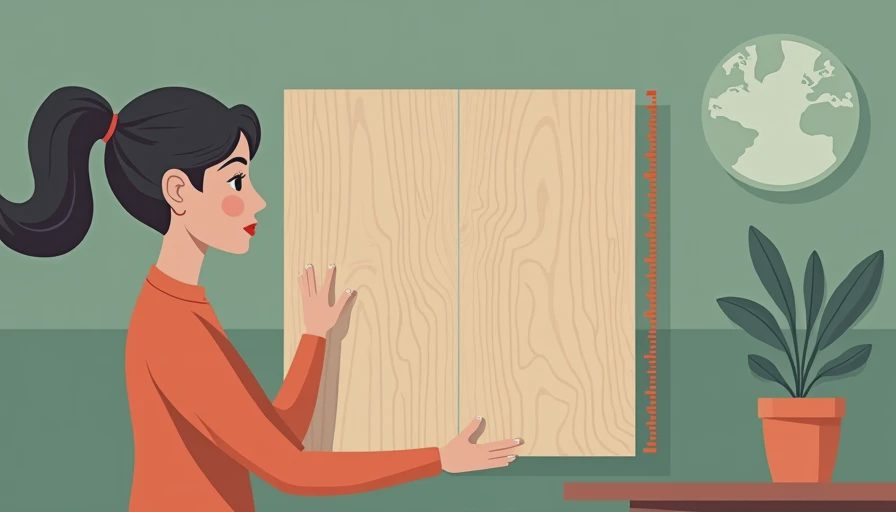
A simple spec checklist before you order
Before I sign off on a shop drawing, I want six things clear: species, backing, substrate, grain direction, edge detail, and finish. If any one of those is vague, the job gets expensive in the wrong way. A client can save money by using a simpler species, but they should not save money by skipping the sample board. A sample tells you more than a rendering because you can see the actual grain shift, edge color, and sheen under room light.
If you are hiring a cabinet shop, ask to see the face material before the build starts, not after installation. Ask whether the grain will run vertically or horizontally on tall panels, and ask how the shop will handle bookmatching at an appliance garage or closet tower. If the answers are specific, you are in good hands. If the answers sound like guesses, keep looking. The right wood veneer sheets are not a luxury detail; they are how a room stops looking pieced together and starts reading as one continuous job.




No comments yet — grab the first one.