White shaker cabinets show up in almost every kitchen conversation because they solve a real problem: they give you a clean, square face without locking the room into one era or one mood. They work in a bungalow, a condo, a farmhouse, or a new build with tall ceilings. The catch is that the label gets used for everything from a well-built paint-grade door to a bargain box with thin stock and a sprayed finish that looks tired before the counters are installed. If you are paying for cabinetry, the details below the paint matter more than the style name. I have seen the same profile look crisp for years when the joinery and finish were right, and look flat and chalky when they were not.
What the door profile really is
White shaker cabinets are a frame-and-panel door: square rails and stiles with a flat center panel and no ornament. That simplicity is why the style survives. It lets the room's other materials do the talking, whether that is stone, tile, plaster, or a run of painted trim. On a real shop drawing, I want the profile, reveal, and edge details spelled out, not implied. For paint-grade work, I often specify poplar for the frame and MDF or veneer-core plywood for the center panel when the goal is a smooth, stable face. If the client wants a more natural wood story, maple is a common upgrade for rails and stiles. Full overlay gives the cabinet a cleaner contemporary read; inset costs more because the doors sit inside the face frame, and every gap has to be dead consistent. That is where cheap work shows up first.
Where they work and where they don't
The style earns its keep in kitchens, laundry rooms, pantry walls, and bath vanities because it keeps storage from feeling heavy. In a smaller room, the white finish reflects light and makes the cabinetry read as architecture instead of furniture. In a larger space, it can calm a lot of moving parts at once. I like it in a mudroom with cubbies above lockers, and I like it in a galley kitchen where you need the walls to stay visually quiet.
That said, white does not fix a weak plan. In a house with ornate casing, dark floors, and a lot of contrast already built in, the cabinets need support from the rest of the room. A warmer wood stool, a honed countertop, or a darker faucet finish can keep the room from looking sterile. If the architecture is modern, the same door profile works best when the layout is disciplined: fewer uppers, tighter appliance placement, and long clean runs instead of chopped-up sections.
What changes the price
When people price white shaker cabinets, this is where the numbers separate fast. A stock line with a white door can start in a relatively affordable range, sometimes a few hundred dollars per linear foot of cabinet run before installation. Semi-custom usually climbs into the low thousands for a normal kitchen once you add pantry sections, drawer stacks, fillers, and panels. Fully custom is higher because you are paying for exact sizing, more finish labor, and room-specific details such as appliance panels or curved ends.
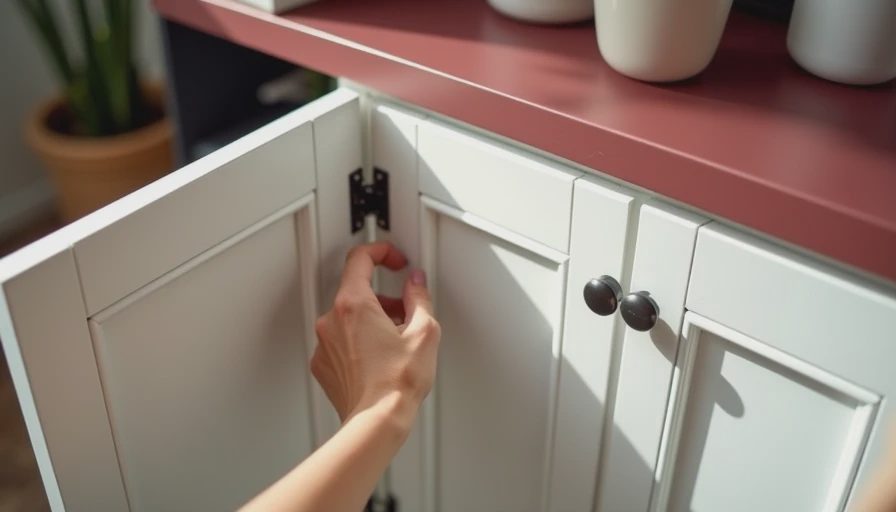
The biggest cost drivers are not mysterious. Box material matters: 3/4-inch plywood costs more than particleboard, but it holds screws better and handles moisture better around sinks and dishwashers. Hardware matters too. Blum, Salice, and Grass concealed hinges are common for a reason. The same goes for slides. A soft-close drawer slide that feels smooth after ten years is worth more than a cheap slide that sags and chatters. Finish is another line item people underestimate. A sprayed conversion varnish or a good two-part finish usually beats a field paint job, especially on white shaker cabinets that will sit under daylight and kitchen grime.
How to keep them from feeling generic
white shaker cabinets can look generic when every surface is the same white at the same sheen. White cabinet, white quartz, white tile, white walls, and suddenly the room has no depth. The answer is not to abandon the style. It is to give it contrast and texture. I like a warmer countertop edge, a honed finish instead of high gloss, or a wood shelf where the room needs relief. Hardware helps more than most people expect. A simple knob in aged brass, polished nickel, or blackened bronze can change the read of the door without making the room busy.
Paint color matters too. If the cabinet finish is a clean cool white, the walls do not need to match it exactly. A softer wall color can make the cabinets pop without making the room feel harsh. In whole-home work, I like to repeat the same cabinet profile in the mudroom or laundry so the house feels coordinated, then shift the accent materials by room. That keeps the storage system consistent while giving each room its own job.
A buying checklist for homeowners
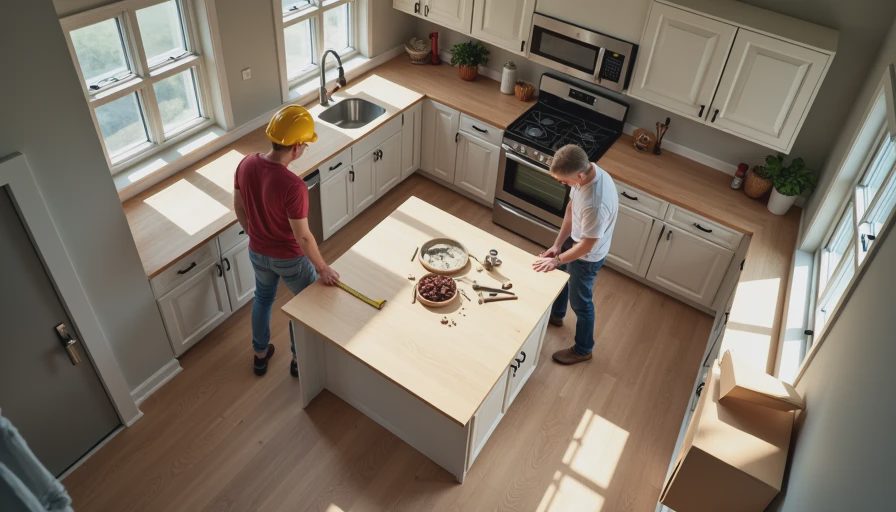
Before you sign a cabinet contract, ask for the build details in writing. Are the frames paint grade or stain grade? Is the center panel MDF, veneer core, or solid wood? What is the box material, and are shelf spans reinforced where you expect heavy loads? What hinges and drawer slides are specified, and who is making the install adjustments after the countertops land? If the answer is vague, the bid is probably vague too.
That is why white shaker cabinets are a good test of a shop's real process: the style is simple enough that the quality lives in the details, and there is nowhere for sloppy work to hide. A good drawing will show filler widths, panel depth, appliance end panels, and where the scribe pieces go at the wall. If those parts are missing, the final invoice often grows later.
If you are collecting bids, ask for the finish schedule, the hinge brand, and the install scope before you compare numbers. A cabinet shop that can explain those pieces clearly is usually the one that will deliver a kitchen that still feels tight after the first winter.




No comments yet — grab the first one.