When homeowners search for doors cabinet doors, they are usually trying to solve more than a style question. They want to know which construction will survive a busy kitchen, whether a painted finish will look smooth, and why one cabinet quote is twice the price of another. After years of building kitchens, libraries, mudrooms, and whole-home storage, I have found that the door is where design, daily use, and budget meet.
A cabinet door covers a surprisingly large visual area. It sets the rhythm of a wall, determines how much hardware you need to touch, and reveals the quality of the box behind it. A well-made door will stay flat, align cleanly, and open without rubbing the adjacent panel. The right choice depends on the room, the material, and the kind of use the cabinet will receive.
Start With the Cabinet Door Construction
The first decision is whether you want a slab door, a frame-and-panel door, or a flat-panel door. Slab doors have a single uninterrupted face. They suit contemporary kitchens and built-ins because the lines are quiet and easy to wipe clean. A slab may be made from veneered plywood, MDF, or solid wood, depending on the finish and size.
A frame-and-panel door has rails and stiles around a central panel. Traditional raised-panel versions add depth and shadow, while recessed panels look more restrained. Flat-panel doors, often called Shaker doors, use a simple frame around a flat center. They work in nearly every house because the proportions can move from modern to familiar without becoming decorative for its own sake.
For painted work, I often specify a stable MDF center panel inside a hardwood frame. MDF takes paint well and does not show the seasonal movement that can telegraph through a solid-wood panel. For clear finishes, quarter-sawn white oak, rift-sawn white oak, maple, and walnut each bring a different grain pattern. The material should follow the design, not simply the current trend.

How the Door Material Affects Performance
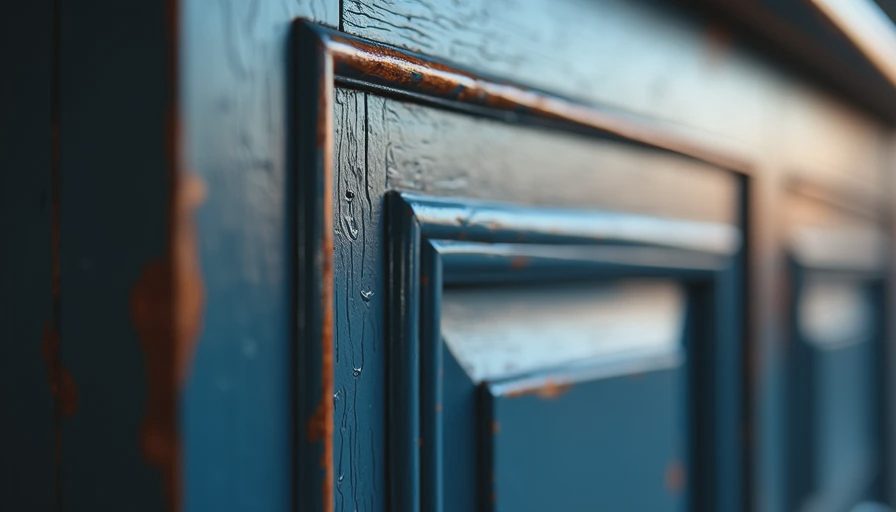
When comparing doors cabinet doors, look past the sample color and inspect the substrate. A door made from 3/4-inch MDF can be an excellent painted choice, particularly for a slab or a routed profile. It is dense, consistent, and easy to machine. It is not a good choice for every wet location, however, and poorly sealed edges can absorb moisture.
A hardwood door has character and can be repaired or refinished more readily, but wood moves with humidity. In the Pacific Northwest, a solid maple panel may change width noticeably between a damp winter and a dry heated season. That movement is not a manufacturing defect; it is a material fact. Good joinery gives the panel room to move instead of gluing it rigidly into the frame.
Veneer offers another practical path. A high-quality plywood or MDF core with a real-wood veneer delivers consistent panels and efficient use of valuable timber. Ask whether the veneer is rotary-cut, plain-sliced, or quarter-sawn, and ask to see how the grain will be sequenced across a run of doors. Grain matching costs more because it adds layout time and extra material.
Choose a Style That Fits the Room
The best doors cabinet doors are not necessarily the most elaborate ones. In a kitchen with a marble backsplash, handmade tile, and visible plumbing fixtures, a simple Shaker profile may prevent the room from becoming visually noisy. In a paneled library, a more substantial frame can hold its own beside deep shelves and crown molding.
For a modern built-in, I usually start with slab doors or a narrow-edge recessed panel. These profiles create long horizontal and vertical lines and make a wall of storage feel architectural. In a mudroom, full-overlay doors provide a clean face and maximize usable cabinet width, while inset doors offer a furniture-like reveal but require tighter tolerances and more careful installation.
Scale matters as much as profile. A 2-inch rail may look balanced on a 24-inch-wide door but too heavy on a narrow drawer front. Likewise, very wide doors can become difficult to operate and may need stronger hinges. A shop should review the elevation, not just show you a small sample corner.
Hardware and the Daily Touch Points
Hinges are the working parts most homeowners notice only after they fail. Quality concealed hinges from Blum, Salice, or Grass generally offer adjustment in multiple directions, soft-close action, and replacement parts that remain available. The hinge must be selected for the door overlay, thickness, weight, and opening angle. A tall pantry door may need more hinges than a small vanity door.
The pull also changes how the cabinet feels. A 5-inch bar pull is comfortable on a wide drawer, while a small knob may be better on a compact upper door. Edge pulls and integrated finger pulls reduce visual clutter but require accurate machining and a finish that will tolerate repeated contact. Put painter's tape on a temporary cardboard sample and live with the proposed pull location for a day before drilling finished doors cabinet doors.
If a door is close to a wall, check the hinge opening angle and handle clearance. A door can technically open while still striking a wall, adjacent cabinet, or window casing. Those small conflicts are much cheaper to solve on a shop drawing than after installation.
What Custom Cabinet Doors Cost
Prices vary by wood, finish, profile, quantity, and installation conditions. As a rough planning range, replacement doors for a modest kitchen can run from about $2,000 to $6,000 before installation when using painted MDF or standard veneer. A custom kitchen with hardwood, matched grain, specialty finish, and new hardware can place the door portion closer to $8,000 to $20,000 or more.
That number is not just the cost of cutting rectangles. It includes material selection, machining, edge preparation, sanding, primer, finish coats, drying time, hinge boring, packaging, delivery, and adjustment in the field. A hand-sprayed conversion varnish finish costs more than a basic site-applied paint because it provides a more controlled surface and greater resistance to household wear.
A useful quote should state the door thickness, core material, wood species, finish system, edge detail, hardware brand, and whether installation is included. If a proposal only says “custom cabinet doors,” it is not detailed enough to compare with another proposal.
Inspect the Details Before Ordering
Before approving a project, request a full-size sample or at least a corner sample showing the frame, panel, edge, and finish. Look at it in morning and evening light. Run your hand over the surface. A painted door should feel smooth without hiding a soft, swollen edge. A clear-finished door should show consistent sheen and an intentional grain sequence.
Review the elevations for door swings, reveals, and gaps. Typical reveals are often around 1/8 inch, but the exact dimension depends on the design and whether the doors are inset or overlay. Confirm which doors are hinged left and right, where knobs will land, and how appliance panels will align with neighboring fronts.
For a remodel, have the installer measure after walls and floors are ready. Houses are rarely perfectly square, and a custom door made from an early rough measurement may expose a crooked opening instead of correcting it. Good doors cabinet doors can only perform as well as the openings and hinges supporting them.
The short version is straightforward: choose the construction first, the wood or panel material second, and the decorative profile third. Then verify hardware, finish, and installation tolerances in writing. When the details are resolved before the saw starts, doors cabinet doors become more than a face on a box. They become the part of the built-in that feels natural every morning, whether you are reaching for a coffee mug, a coat, or a book.



No comments yet — grab the first one.