Unfinished cabinets are cabinet boxes, doors, and drawer fronts supplied without paint, stain, or clear coat. That sounds simple, but the choice affects material quality, scheduling, final color, and how well the installation belongs in your house. After 19 years in cabinet shops, I have seen unfinished cabinets used successfully in kitchens, mudrooms, libraries, and bathroom vanities. I have also seen homeowners buy inexpensive parts, then discover that finishing them properly costs more than expected.
The useful question is not whether unfinished cabinets are automatically cheaper. It is whether their construction gives you enough control to justify the extra work. If you want a precise color, matching built-ins throughout the house, or a finish that works with existing trim, they can be an excellent starting point.
What unfinished cabinets actually include
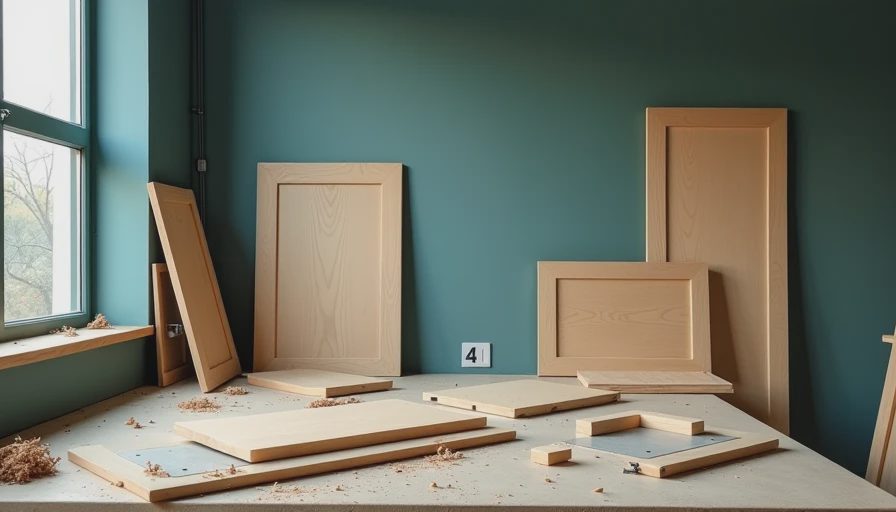
Most unfinished cabinets are made from hardwood plywood, veneered panels, solid wood frames, or a combination of those materials. The cabinet box might be three-quarter-inch maple plywood, while the face frame and doors are made from poplar, maple, oak, or cherry. A product described as “unfinished wood” does not necessarily mean every component is solid wood. Read the specifications and ask what the sides, shelves, backs, and drawer boxes are made from.
Construction details matter more than the raw species. A three-quarter-inch plywood box with adjustable shelves and properly captured backs will usually serve you better than a solid-wood box with weak joinery. Look for dadoed or rabbeted construction, screws backed by glue, and shelves at least three-quarter-inch thick for wide spans. Confirm whether the cabinet has a finished end, a separate end panel, or an exposed plywood edge that requires additional treatment.
For doors, determine whether you are buying a five-piece frame-and-panel door, a slab door, or a veneered panel. Solid maple and quarter-sawn white oak take finish differently from veneer, and the difference becomes obvious on a large run of doors. Ask for a sample before ordering enough material for an entire room.
Choosing the right wood and grade
Wood species controls more than appearance. Poplar is relatively affordable and paints smoothly, which is why many shops use it for paint-grade doors. Maple has a tight grain and a clean look, but it can blotch under some stains unless the finishing process is controlled. Red oak has pronounced grain and takes many stains readily, while white oak has a different grain pattern and a warmer, more architectural character.
For clear-finished unfinished cabinets, I usually prefer consistent veneer faces on large panels and carefully selected solid wood for door frames. A-and-B veneer can be appropriate where both sides are visible. Lower grades can contain mineral streaks, open knots, or color shifts that are perfectly acceptable in a rustic design but frustrating if you expected a uniform modern kitchen.
There is no universal best species. A dark walnut stain on maple can look muddy, while a natural oil on white oak can show excellent ray fleck. Bring flooring, countertop, and trim samples to the selection meeting. The same finish can look gray beside cool quartz and noticeably amber beside fir flooring.
When unfinished cabinets save money
Unfinished cabinets can reduce the factory finishing charge, especially when you already have a reliable painter or plan to use a transparent finish. The savings are real when the project has many standard doors and the finishing work is performed efficiently in a shop. They are less impressive when someone sprays a few doors in a garage, sands between coats by hand, and charges for several days of labor.
As a planning range, a professional finish can add roughly $40 to $150 per door or drawer front, depending on size, prep, sheen, and coating system. A small vanity may need only a few hundred dollars of finishing work. A kitchen with 25 doors and 10 drawer fronts can easily require several thousand dollars once sanding, masking, transport, and installation touch-ups are included.
That calculation should include waste and risk. A waterborne lacquer finish needs suitable spray equipment, filtration, temperature control, and a clean area. Oil-based products need ventilation and longer drying time. The cheapest unfinished cabinets become expensive if a door must be stripped, remade, or color-matched after installation.
Finish options that hold up
Paint-grade unfinished cabinets need thorough preparation. The sequence normally includes sanding, filling defects, cleaning, primer, another light sanding, and two finish coats. Maple and poplar can produce a smooth painted surface, but end grain and joints still need attention. A cabinet painter who skips primer or sprays over dust may leave visible grain, raised fibers, or adhesion problems.
For stained cabinets, test the full system on the actual wood. Sanding from 120 to 150 grit and then stopping at 180 can produce a different result from sanding to 220. Conditioner, dye, stain, glaze, and topcoat all change the color. A clear conversion varnish, waterborne lacquer, or catalyzed finish generally offers better cabinet durability than a single coat of polyurethane brushed over raw wood, although the correct product depends on the shop and application method.
Sheen deserves attention too. Satin hides more handling marks than a high-gloss finish and is easier to live with on pantry doors and lower cabinets. A matte finish can look refined, but it still needs a coating engineered for repeated cleaning. Do not select color from a phone photograph; approve a physical sample under both daylight and your room’s evening lighting.

Unfinished cabinets in a whole-home plan
The strongest use for unfinished cabinets is often coordination across several rooms. A kitchen might use painted lower cabinets, a white oak pantry, and a matching mudroom bench. Buying everything unfinished allows one shop to develop a related palette rather than forcing each room into a different factory color. The result can feel intentional without making every cabinet identical.
This approach also helps with odd dimensions. A standard 30-inch cabinet may work in a kitchen but leave an awkward gap beside a stair wall. A custom filler, scribed end panel, or deeper bookcase can solve that condition. In a Seattle remodel, for example, a wall can be out of square by enough to create a visible taper over eight feet. The cabinet should be built to the wall, not installed square and hidden with a wide strip of trim.
Measure openings after drywall, flooring, and baseboard decisions are settled. Record ceiling height at several points, locate outlets and plumbing, and identify where doors or appliances swing. Unfinished cabinets give you finish control, but they do not correct a poor site measure.
Questions to ask before ordering
Ask who is responsible for finishing, whether the price includes interior surfaces, and how damaged parts will be handled. Confirm the lead time for raw components and the separate lead time for finishing. Request a door sample, a panel sample, and a written description of the coating system. If the cabinets will sit near a sink, ask how exposed edges and end panels are sealed.
Also compare the hardware. Full-extension undermount slides from Blum or Salice cost more than basic side-mount slides, but they provide better access and adjustment. Soft-close hinges from Blum or Grass are useful on frequently used doors. A drawer box with dovetailed corners is a meaningful upgrade over stapled particleboard when the drawer will carry pots, tools, or canned goods.
Finally, compare a complete installed price rather than the cabinet line alone. Include delivery, finishing, hardware, fillers, toe kicks, scribing, countertop coordination, and touch-up work. This is where an honest quote separates a sound cabinet plan from an attractive catalog number.
When to choose a different option
Unfinished cabinets are not the right fit for every project. If you need a fast installation, have no controlled finishing space, or want a factory-matched color with a predictable warranty, prefinished cabinets can be the smarter purchase. IKEA and other modular systems also make sense for rental properties, tight budgets, and rooms where standardized dimensions solve the problem cleanly.
Choose unfinished cabinets when the finish is part of the design, the room has difficult conditions, or several storage areas need to work together. Get a sample, price the finishing honestly, and inspect the joinery before you fall in love with the color. Good cabinetry is not defined by whether it arrived raw or finished. It is defined by materials, construction, fit, and the quality of the last coat you will touch every day.



No comments yet — grab the first one.