If you have ever opened a hall closet and watched hats, vacuum attachments, and guest sheets avalanche out, you already know why a closet organizer matters. The point is not to make the space look tidy for a photo. The point is to give every item a place that makes sense on a Tuesday morning, when the door is half open and somebody is already late. A good layout balances hanging space, shelves, drawers, and access so the closet works like part of the house, not a piece of furniture dropped into it.
What a closet organizer has to solve first
A closet organizer only works when it answers three questions at once: what hangs, what folds, and what gets used most often. If the room is mostly rods, you end up stacking shoes on the floor and stuffing sweaters on top of hangers. If it is mostly shelves, shirts wrinkle and daily items get buried behind seasonal bins. In real homes, I like to think in zones. Short hanging for shirts and jackets. Taller hanging for coats and dresses. Shallow shelves for folded clothes. One or two drawers for the things that disappear fastest, like belts, scarves, and workout gear.
Depth matters more than most people expect. Hanging space needs enough clearance for hangers and sleeves to move without scraping. Shelves that are too deep become a graveyard for piles. In many bedrooms, 11 to 12 inches is enough for folded clothing, while a drawer bank can make the middle of the closet far easier to use than another shelf ever will. Once the layout is honest about daily habits, the whole room calms down.
Materials that survive real use
This is where the conversation gets practical. A cheap system can look decent on day one, but if the panels are flimsy or the edges chip every time a shoe box slides past, you will see it quickly. For a built-in, I usually want 3/4-inch plywood for the carcasses, a clean edge band on the exposed parts, and a back that is captured well enough to keep the case square. Melamine has its place in utility spaces because it cleans easily and keeps costs down. Painted MDF can work for doors and face frames when the finish schedule is solid and the shop knows how to seal it properly.
Hardware is worth a real budget line. Soft-close hinges from Blum or Salice, full-extension slides for drawers, and a rod system that is anchored into structure instead of just drywall all hold up better over time. If the project is a reach-in closet with basic shelves and rods, a modular kit can be perfectly sensible. If the project needs exact fit, matching trim, and scribed returns, you are buying time, not just lumber.
Where the price goes
The biggest mistake homeowners make is treating every storage quote like the same product with a different sticker. It is not. Material quality, finish level, installation complexity, and how much of the room needs to be templated all change the number. A simple modular setup from a big-box retailer or a closet brand can land in the low hundreds or low thousands, depending on width and accessories. A semi-custom package with better panels, upgraded slides, and professional installation often sits in the $1,500 to $4,000 range for a typical reach-in or small walk-in. A fully built-in closet organizer for a primary suite can run from $4,000 to $12,000 or more when you add drawers, specialty hanging, drawer dividers, crown, lighting, and a finish that looks integrated with the room.
A closet organizer gets expensive when it has to solve bad dimensions. Old houses are rarely square. Floors slope. Walls bow. Doors steal usable inches. The labor to scribe those conditions cleanly is part of the value, because that is what keeps the system from looking like a kit forced into a problem it was never meant to solve. When a bid is much lower than the others, check what got left out: finish work, hardware quality, delivery, removal, or the actual install.
Details that make the closet easier every day
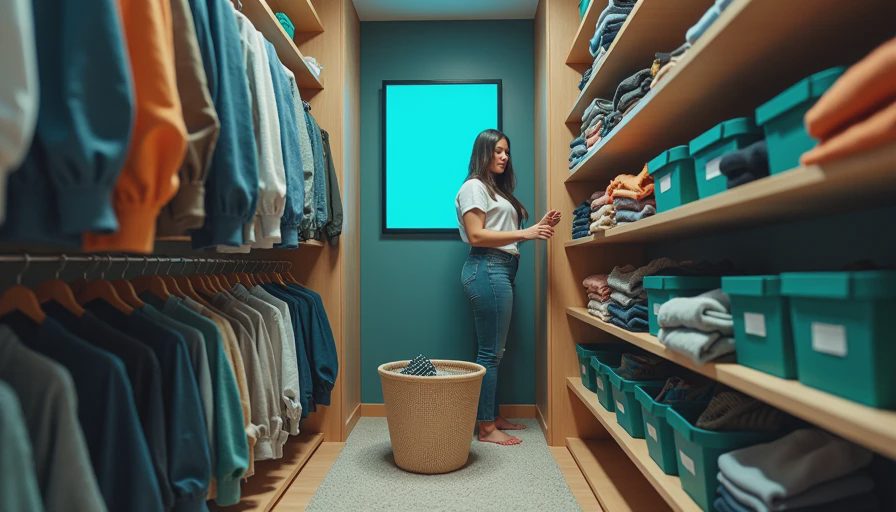
The difference between merely organized and genuinely useful is usually found in small details. Put the most frequently used items between knee and eye level. Keep long-term storage up high. If two people share the space, split the primary hanging so one side does not get all the best real estate. A drawer for charging watches and phones can keep a dresser top clear. A pull-out hamper saves a hallway trip. A shallow valet rod near the front helps with tomorrow’s outfit or dry cleaning.
Lighting is another upgrade that pays back every single morning. LED tape under shelves or a small strip inside the case makes dark corners usable, especially in closets with no window. I also like a mirror on the back of a door or on a nearby wall, because it keeps the closet from becoming a dead end. When the floor plan allows it, a toe-kick that is recessed a bit from the face keeps the base from feeling bulky and gives shoes room to sit naturally.

When modular is enough and when custom pays off
If the opening is square, the budget is tight, and the goal is simply to get clothes off the floor, a modular kit can do the job well. That is not a compromise; it is the right tool for the situation. The trouble starts when the room is part of a larger renovation, when the trim needs to match the rest of the house, or when the walls and ceiling are so irregular that the off-the-shelf parts start wasting space. That is when a custom approach earns its keep.
A closet organizer built in the shop can pick up the language of the rest of the house. It can align with door casings, repeat the profile of nearby built-ins, and turn a hard-working storage room into something that feels original to the house. If you are asking for exact fit, better hardware, and a cleaner finish, ask for a real spec sheet: panel thickness, edge banding, slide brand, finish system, and whether installation includes scribing and trim touch-up. Those details tell you more than a glossy rendering ever will.
If you want one room to feel finished instead of patched together, start there. A good storage plan does not need to be flashy. It needs to be honest about how people live, and careful enough to last. That is where a closet organizer stops being a product and starts becoming part of the architecture.

No comments yet — grab the first one.