If you are shopping for bathroom vanities, start with the room, not the catalog. The best-looking cabinet in the showroom can still miss the drain line, crowd the door swing, or leave you with a drawer that hits the sink trap. In a small Seattle hall bath, that usually means giving up storage you thought you were buying. In a larger primary bath, it can mean paying for a wider top than the framing can comfortably carry. I like to work backward from the plumbing rough-in, the wall width, and the way the room actually gets used before I draw a single box.
How I size bathroom vanities before I draw the cabinet
The first thing I look at in bathroom vanities is the usable width between walls, trim, and any baseboard returns. A 30-inch cabinet does not really give you 30 inches of useful space once you account for fillers, overhang, and the sink. For a single sink, 36 inches is a comfortable starting point if the room allows it. For a double sink, 60 inches is the practical minimum, and 72 inches feels better when two people are using the room every morning. Depth matters too. Most cabinets land around 21 to 22 inches deep, which keeps the top from feeling like it is taking over the room.
I also look at height. The old 30-inch vanity is hard on the back. Most clients are happier at 34.5 to 36 inches finished height, including the countertop. That is close to kitchen counter height, and it makes hand washing and tooth-brushing feel less like a crouch. If the client is shorter, or if the bath is for kids, I will shave that down a bit. The point is not to chase a number from a catalog. The point is to land the sink, the mirror, and the lights where the human body expects them.
A good drawing also respects the plumbing. Center the sink on the drain if you can. If you cannot, plan the drawer stack around the trap instead of pretending it is not there. That is where a custom cabinet earns its keep. I can cut a U-shaped top drawer, move the false front, or split storage to either side so the P-trap does not eat the whole middle of the cabinet.
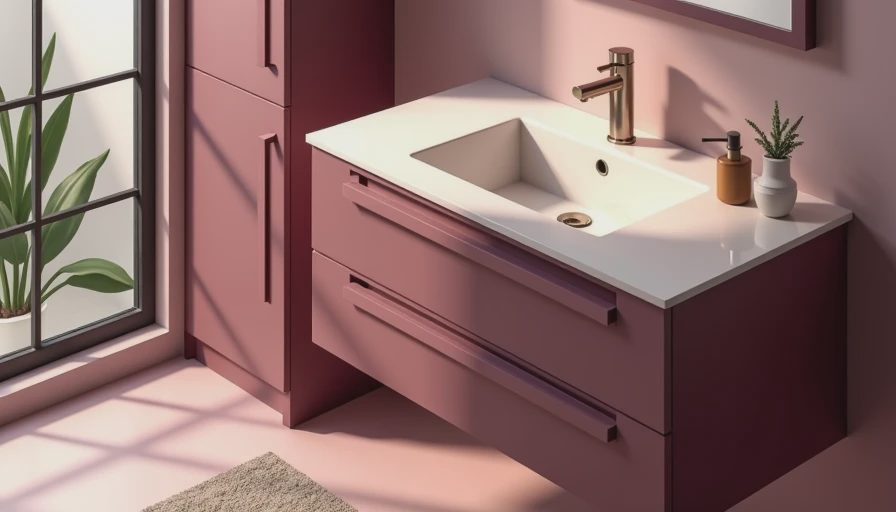
Materials that let bathroom vanities survive steam
For bathroom vanities, I am a lot less interested in looking fancy than in staying flat. A painted cabinet built from 3/4-inch plywood with a veneer core holds up better than particleboard once steam, wet towels, and dripping hands enter the picture. Birch plywood is common because it machines cleanly and stays stable. If the finish schedule is right, it will outlast a bathroom that gets used every day. I also like solid wood on the doors and drawer fronts, but I keep the box in plywood so the cabinet stays predictable over time.
Hardware matters more than people think. Full-extension soft-close slides from Blum or Salice make a small cabinet feel expensive because the drawers open all the way and do not slam shut. That is not a luxury detail in a busy bath; it is the difference between finding the razor in the back of the drawer and having to dump everything onto the counter. For hinges, I use concealed euro hinges with adjustment, because bathroom doors get bumped, cleaned, and re-aligned more often than people expect. A good conversion varnish or catalyzed topcoat also beats a pretty but fragile finish. Steam is not kind to weak paint.
The countertop and sink choice affect the cabinet too. A single undermount sink in quartz is a straightforward build. A vessel sink changes the height and the clearance under the top. An integrated solid-surface top can simplify cleaning, but it changes the price and the repair options later. I try to solve those choices before the cut list gets written, because once the box is built, the rest of the room has to fit around it.
The money: where prefab stops and custom starts
There is a real gap between stock, semi-custom, and true custom bathroom vanities, and it shows up fast in the price. A stock piece from a big-box store might run $300 to $1,200 for the cabinet alone, with a matching top adding another $200 to $700. That works when the room is simple and the drain lands where the factory expected. Semi-custom can move into the $1,500 to $4,000 range, especially once you choose better wood species, paint grade, or upgraded drawer boxes. A fully built cabinet from a shop like mine often lands from about $4,500 to $10,000 or more once you include finish, countertop, installation, and any plumbing adjustments.
That spread is not just markup. You are paying for the room to fit the cabinet instead of the cabinet forcing the room to behave. If the wall is out of square, the floor slopes, or the baseboard needs to die into a side panel, custom work solves it without a stack of awkward fillers. I have seen plenty of prefabricated installs that looked fine on the delivery truck and wrong the moment they met real framing. That is where the extra money goes: time in the shop, time on site, and a cleaner final reveal.
Lead time is part of the budget too. A stock unit can be on site fast. A custom piece usually needs several weeks from final approval to installation, especially if the finish is painted and the top is being templated separately. If you are remodeling one bathroom at a time, that timeline matters because the room may be out of service while the work happens. Planning that sequence early prevents expensive emergency decisions later.
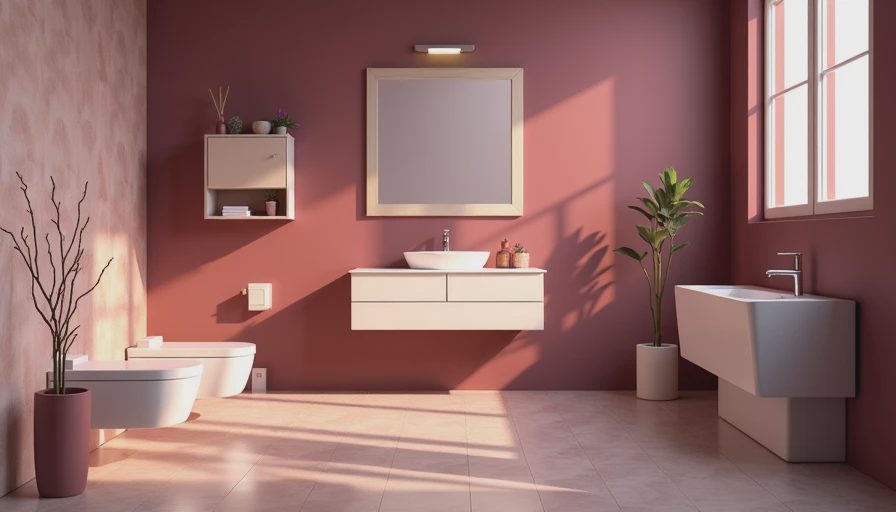
What to ask before you sign a drawing
Before you approve any vanity drawing, check the drawer clearances around the trap, the backsplash height, the faucet holes, and the swing of any nearby door. Make sure the top leaves enough space for soap, toothbrushes, and the stuff that always ends up living beside the sink. If there is a medicine cabinet or a mirror cabinet above, confirm that the lighting does not collide with the door action. These are small things on paper and annoying things every single day if they get missed.
I also ask clients how the room gets used in the morning. One person getting ready alone can live happily with a single sink and deeper drawers. Two people sharing the room usually benefit from separate storage zones, even if the cabinet itself is not huge. That might mean one side for skincare and one side for shaving gear, or a center bank of drawers with shallow top storage for the items used first. When a cabinet is organized that way, the countertop stays clearer and the room feels larger.
If you are comparing options now, do not buy on finish sample alone. Look at the box material, the joinery, the slide brand, and the way the cabinet handles plumbing. Those details decide whether the piece still feels right five years from now. Bathroom vanities are one of the few places where a careful drawing can save both space and annoyance, and that is usually where the better value lives.



No comments yet — grab the first one.