Cabinet pulls look small on a drawing sheet, but they change how a kitchen, bath, or built-in feels every time a hand reaches for a drawer. I treat cabinet pulls the same way I treat hinges, drawer slides, and edge banding: if the hardware is wrong, the whole job reads wrong. If it is right, the room feels quieter, more finished, and more expensive without shouting about it.
The first question is not style. It is scale. A 96mm pull on a shallow bath drawer can look tidy, while the same piece on a wide kitchen drawer may feel undersized. A 6-inch bar on a big panel front can look balanced, but on a narrow upper door it can crowd the stile. When I lay out cabinet pulls, I start with door width, drawer height, and how the hand actually grabs the front.
Measure the door first
Hardware catalogs love to lead with finish options, but layout comes first. On a slab drawer front, I check the center-to-center spacing before I think about shape. Common sizes are 3-inch, 96mm, 128mm, and 160mm, with larger options for wide drawers and pantry panels. If a drawer is under 24 inches wide, a smaller bar often looks cleaner. Once you get into 30-inch drawers or tall appliance panels, a longer pull usually feels more honest to the scale of the cabinet.
I also pay attention to grip clearance. A pull with a sharp underside can feel thin and cheap even when it costs more than the rest of the hardware. A fuller profile is easier on the hand, especially in a kitchen where you open the same drawer 30 times a day. When cabinet pulls are proportioned to the front, the room stops looking like a collection of parts and starts reading as one built system.
Finish, material, and the way light hits it
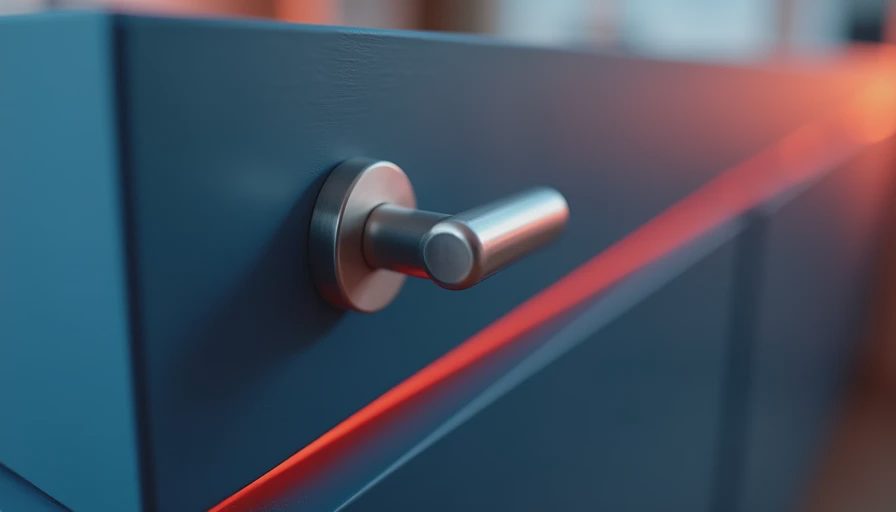
Material matters because finish wear matters. Zinc alloy pulls are common and affordable, usually in the $3 to $8 range for basic lines. Solid brass cabinet pulls, stainless steel, and better-plated pieces cost more, often $12 to $25 each, and they hold up better when a room gets used hard. If you want a warmer look, unlacquered brass will age and darken. If you want a quieter finish, satin nickel and brushed stainless hide fingerprints better than polished chrome.
The most useful finish is the one that matches the rest of the room without becoming the theme. In a white kitchen, matte black can work if the faucet, lighting, or window hardware already carries that note. In a walnut or white oak built-in, aged brass often feels softer than black. I like to bring sample hardware into the actual room, because daylight, under-cabinet lighting, and paint sheen all change the color shift. Cabinet pulls that look right under showroom lights can look too bright or too dull at home.
Room by room, the right hardware changes behavior
In kitchens, cabinet pulls should make heavy use feel easy. Trash pull-outs, pot drawers, and tall pantry doors all benefit from a longer grip because the hand has somewhere to land. In baths, smaller drawers and vanity doors can take a lighter touch, and the hardware can be more restrained so mirrors, tile, and plumbing do the talking. On mudroom cubbies or laundry built-ins, I like hardware that is simple and durable, because those spaces get grabbed with wet hands, bags, and elbows.
For a pantry, cabinet pulls are often about speed. If the pantry has deep drawers, use a shape you can hook with one finger when your other hand is full. For a built-in office or media cabinet, a smaller bar may be better because the eye is already dealing with books, screens, and trim. Matching every piece in the house is not mandatory. Matching the logic of each room is what makes the project feel designed instead of copied.
Cost logic that keeps the budget honest
Hardware is one of the cheapest ways to make an ordinary cabinet package look intentional, but the line item adds up fast. A 20-pull kitchen at $5 each is a very different number from the same kitchen at $22 each. That gap is $340 before screws, tax, or backups. On a whole-home project, I usually tell homeowners to spend more on the rooms they touch every day and simplify the secondary spaces.
This is where cabinet pulls are worth sorting into tiers. Put your money into the kitchen island, main bath vanity, and any tall doors you open constantly. Use a simpler line in guest baths, utility rooms, or upper cabinets that are opened less often. That approach lets you keep the visual consistency without spending designer money everywhere. If your cabinet maker is ordering in quantity, ask whether the same finish is available across two price points. Many brands do that.
The mistakes I see most often
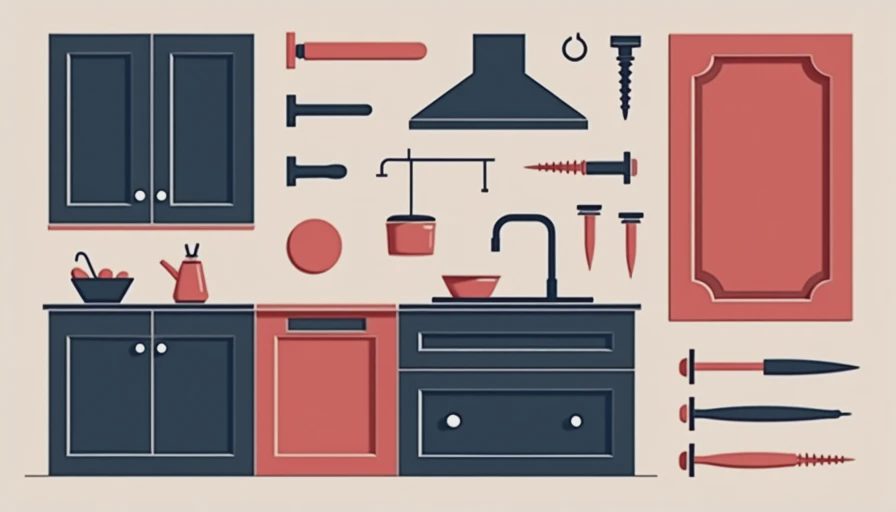
The first mistake is choosing hardware from a screen and never checking the hand feel. The second is buying a pull that looks good in one room but fights the proportions of another. Oversized hardware on narrow doors looks clumsy. Tiny hardware on deep drawers looks like an afterthought. The third mistake is ignoring screw length. Most cabinet hardware uses 8-32 machine screws, and if the screw is too long or too short, the install becomes a waste of time.
Another common miss is mixing too many finishes. Two can work if one is clearly primary and the other is quiet, but four different metals usually turn into visual noise. Cabinet pulls should support the joinery, not compete with it. If the room already has strong grain, a lot of tile movement, or a busy countertop, keep the hardware calm. If the room is plain, the pull can carry a little more character.
A simple buying checklist before you order
Before you place an order, pull together the door and drawer widths, the center-to-center spacing, the finish family, and the screw length. Then order one extra box. On a real job site, you always want a few spares for stripped screws, damaged finishes, or a late change in layout. If you are mixing knobs and bars, make the decision by function first and style second. Doors can take knobs, but drawers usually work better with bars because the grip is more natural.
When cabinet pulls are chosen this way, they stop being an accessory and start acting like part of the construction. That is the standard I use in the shop. Good hardware does not call attention to itself every time you walk past it. It just makes the room easier to use, and that is usually what people mean when they say a cabinet job feels custom.



No comments yet — grab the first one.