Cabinet knobs are small, but they change the read of a room more than most homeowners expect. In a kitchen, bath, or built-in, they are the part your hand finds every day and the detail your eye notices from across the room. I treat them like trim: if the size, finish, and placement are right, the whole cabinet run feels calmer and more expensive. If they are wrong, even excellent paint, veneer, or inset work starts looking generic. For a remodel, that matters. A set of good hardware can cost less than one small appliance, yet it can make a basic cabinet layout look intentional.
How I size knobs for real use
For most cabinet knobs, I start with the door style and the person's hand, not a catalog photo. A 1 1/4-inch diameter knob is the safest all-purpose size for painted doors, especially on Shaker fronts with a narrow stile. On larger slab fronts or tall pantry doors, 1 3/8 inches can feel better because it gives your fingers more purchase and keeps the hardware from disappearing. If the cabinet has heavy inset doors, a tiny crystal or glass knob usually looks out of scale unless the room is very traditional.
I also pay attention to projection and the screw position. A knob that stands off the face just enough is easier to grab when your hands are wet or full of dish soap. Too shallow and you pinch. Too proud and it catches on sleeves or potholders. On drawers wider than about 24 inches, I usually shift to a pull, because the opening starts to feel too big for a single point of grip and the hardware can read undersized. For doors with old holes, a backplate can cover damage and spread the visual weight, but it should look like part of the design, not a patch.
If you are choosing hardware for the first time, a shop sample tells you more than a web photo ever will. Hold it against the door sample, not just the paint chip. That one move saves a lot of regret.
What the shop invoice actually tells you
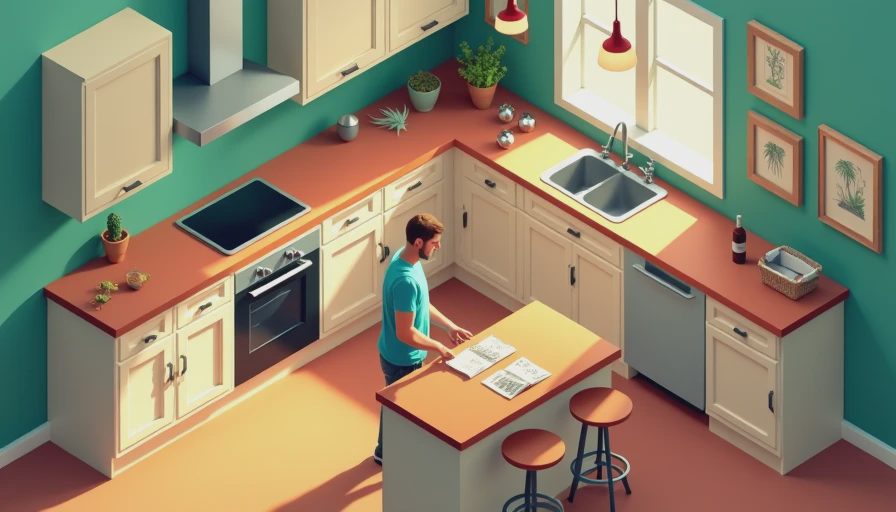
Price is where style turns into trade-off. Basic zinc knobs often run $3 to $8 apiece. Midrange options from Emtek, Top Knobs, Amerock, or Rejuvenation usually land between $10 and $25 depending on finish and size. Solid brass or special-order finishes can push past $30 per piece, and that adds up fast in a kitchen with 30 or 40 openings. The cheapest cabinet knobs are not always the bargain if the plating wears through, the screw loosens, or the finish starts to spot after a year of dishwater and hand lotion.
Installation cost is easy to ignore until the last week of a project. If holes already line up and the doors are finished, a straightforward swap is inexpensive. If you are drilling fresh slabs, repairing old mistakes, or trying to center hardware on a run of mismatched doors, labor climbs. I tell clients to budget for the hardware itself, plus a little room for layout. A clean install is mostly layout, and layout is where the room either starts looking deliberate or starts looking improvised. On a whole kitchen, that difference shows up every time you walk in.
How finish changes the whole room
Finish does more than match the faucet. It changes the temperature of the room. Brushed nickel reads cooler and quieter. Unlacquered brass starts warm and darkens with use. Matte black gives a strong graphic line, which can work well on painted cabinets but can feel heavy on a dark stain if the room is already low on light. Polished chrome is honest and durable, but it asks for a cleaner, more contemporary setting than a lot of people expect.
I like to decide finish after the cabinet color is set and before the countertop and backsplash are locked. That sequence keeps the room from fighting itself. On warm white paint, aged brass or satin nickel usually looks easy. On deep green or navy, brass can pop in a good way, while black can either sharpen the look or make it too severe. On walnut or white oak, a quieter metal often wins because the grain already has enough movement. In a house that uses one cabinet family across kitchen, mudroom, and bath, repeating the same finish gives the whole project a calmer rhythm.
Room-by-room choices that hold up
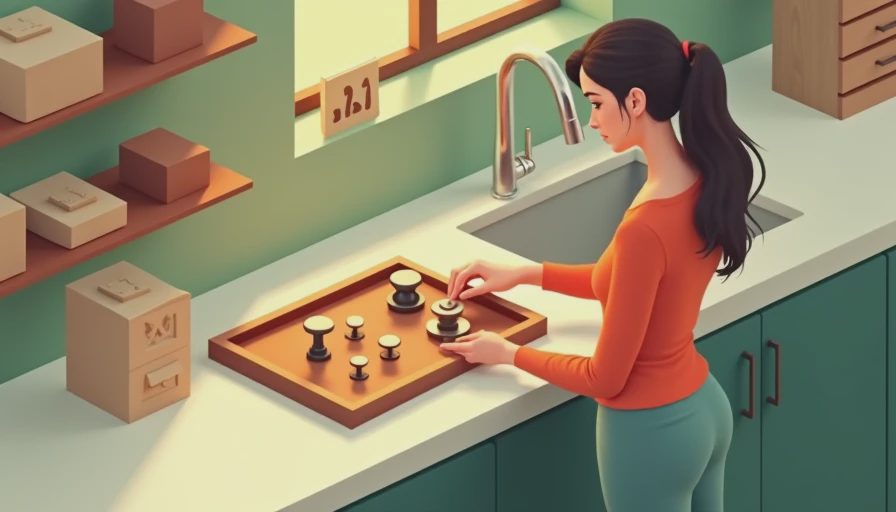
In kitchens, cabinet knobs should support the workflow instead of fighting it. On upper cabinets, I like a consistent knob family that does not disappear against the paint. On base cabinets, especially around trash and prep zones, I prefer something with enough grip that a damp hand can open it without a second try. In a pantry, a slightly larger diameter often feels right because the doors are used less often but with a fuller grip. If the pantry is deep and heavy, the hardware should feel a little sturdier than the rest of the room.
In bathrooms, humidity changes the game. Solid brass, stainless, and high-quality plated finishes tend to behave better than cheap coatings that start to dull around the edges. In a laundry room or mudroom, durability beats ornament every time. These spaces see bags, elbows, sports gear, and wet hands. A smooth profile is easier to wipe clean, and a finish that does not show fingerprints saves you from polishing every weekend. On built-ins, I like hardware that echoes the joinery rather than competing with it. A simple round form on painted maple can look very quiet in the best way.
The mistakes that make hardware look cheap
The fastest way to ruin cabinet knobs is to underbuy on size. A tiny knob on a tall pantry door looks timid. A bulky knob on a delicate inset door looks like a retrofit. The second mistake is mixing finishes without a plan. Brushed nickel next to polished chrome, or matte black next to antique brass, can work in a big house, but only when the mix is deliberate and repeated elsewhere in the room. The third mistake is skipping mockups. I keep sample hardware in the shop because a knob that looks balanced in a catalog can feel too heavy in the hand or too small against a wide stile.
There is also the issue of wear. Cheap plating chips at the edges, especially on pieces you grab multiple times a day. If you are repainting cabinets and the old holes are off by a quarter inch, use a backplate or fill and redrill cleanly. A sloppy repair shows forever. A good install disappears. When the hardware is right, the doors feel better in use and the whole room settles down.
If you are buying a full kitchen, laundry, or built-in package, pick the hardware after the cabinet elevations are settled and before finish day. That gives you room to adjust projection, spacing, and finish without slowing the job. Done that way, cabinet knobs stop being an afterthought and start doing the quiet work that makes the whole room feel finished. If you want a house that reads as one system instead of a pile of parts, start there.



No comments yet — grab the first one.