Cabinet hardware is the small part of a project that people touch every day, and it is also one of the easiest places to waste money. In a kitchen, bath, mudroom, or built-in wall, the right pieces make drawers glide cleanly, doors close without a slap, and a room feel finished instead of improvised. The wrong pieces do the opposite: they wobble, chip, and make good joinery look cheap. When I walk a client through a project, I treat the decision as part function, part finish work, and part budget control.
What cabinet hardware actually does in a room
When I spec cabinet hardware, I start with the movement, not the style board. A hinge has to hold a door straight for years. A slide has to carry the weight of a deep pantry drawer without sagging at the back. A pull or knob has to fit a hand comfortably and give enough leverage that a full drawer opens with one clean motion. If those basics are wrong, a beautiful paint color will not save the project.
There is also a visual job to do. In a small kitchen, slim bar pulls can make long drawer fronts read as one calm plane. In a more traditional room, knobs and cup pulls can keep the face frames from looking too slick. I see a lot of homeowners buy decorative pieces first and solve the function later. That usually creates extra holes, odd spacing, and returns. A better order is simple: choose the door and drawer layout, then choose the parts that fit that layout.
In practical terms, this is where budget gets real. Builder-grade pulls can run $2 to $6 each, decent midrange options often land around $10 to $25, and premium lines can move into the $30 to $60 range fast. Soft-close slides and concealed hinges add more cost, but they also add the daily comfort that makes a custom project feel custom. If you are doing whole-home built-ins, that difference compounds room by room.
Knobs, pulls, and cabinet hardware sizing
Good cabinet hardware should match hand size, drawer width, and the amount of visual noise you want in the room. A tiny knob on a wide drawer looks underpowered, while an oversized pull on a shallow bath vanity can feel like office furniture. On drawers, I usually prefer pulls because they offer better leverage. On upper doors, knobs can be cleaner and cheaper, especially if the design already has a lot going on.
For drawer fronts, center-to-center spacing matters more than most people realize. A 3-inch pull can work on a small drawer, but a 12-inch or 15-inch pull often looks better on a wide kitchen drawer stack or a tall pantry drawer. In a long run of base cabinets, repeating one family of sizes keeps the elevation coherent. That is the kind of detail that separates a calm room from a room that feels pieced together.
Material matters too. Solid brass costs more than zinc but feels better in the hand and tends to hold up better over time. Stainless is practical where hands are wet. Matte black is still popular because it disappears against darker paint and wood tones. Unlacquered brass has a warmer look and will patina, which some owners love and others hate by month six. If you want low-maintenance, do not pretend you want patina. Pick the finish you can live with when it stops looking new.
Brand matters less than people think, but it still matters. For hinges and slides, Blum, Salice, and Grass are names I trust because they solve the boring part well. For decorative pulls and knobs, Top Knobs, Emtek, Richelieu, and Rejuvenation all have ranges that cover most residential work without forcing you into flimsy stock pieces.
Hinges, slides, and the part nobody posts on Instagram
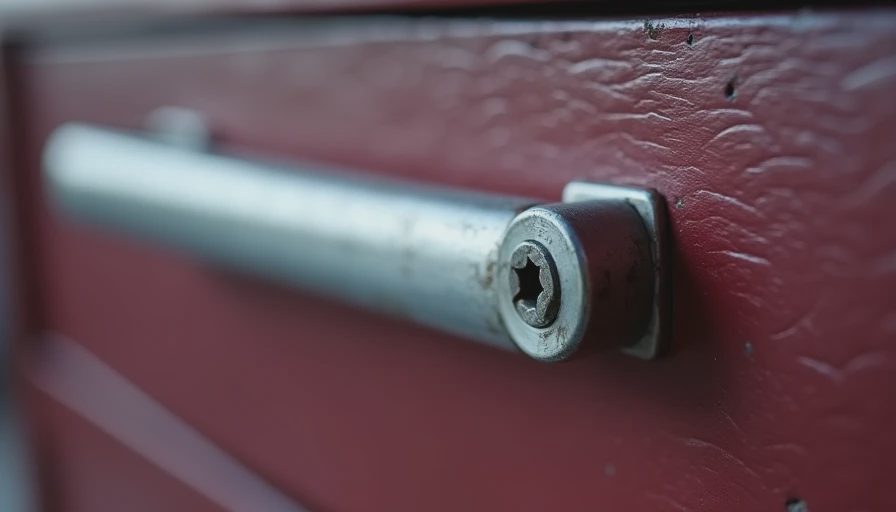
The prettiest pull in the world will not fix a sloppy hinge line. For inset work, full overlay, or partial overlay, the hinge geometry has to match the cabinet build. European concealed hinges are common on custom projects because they allow adjustment after installation, which is a big deal in houses that are not perfectly square. A 1/16-inch tweak at the hinge can save a cabinet door from rubbing for years.
For drawers, undermount soft-close slides are usually the cleanest choice. They hide the metal, support the drawer from below, and give a smoother close than the old side-mount hardware most people remember from rental kitchens. Cheap slides tend to loosen or bind once a drawer is loaded with pots, canned goods, or tools. That is why I do not save pennies there. If a deep drawer is carrying 50 pounds of cookware, the slide should be built for the load, not the catalog photo.
This is also where cabinet hardware affects noise. A well-tuned hinge and slide package reduces the clatter that makes a room feel busy. In a mudroom or laundry, that can matter more than the finish itself. In a home office or library built-in, it matters even more because users notice every squeak. Quiet is a luxury, even when nobody labels it that way.
Room by room choices that avoid regret
For room-by-room work, I treat cabinet hardware like trim: it should belong to the house, not fight it. In kitchens, I usually want consistency across the main run, then a slightly different scale for a pantry or appliance garage if the door sizes change. In baths, corrosion resistance matters because steam and splash are part of daily life. In a powder room, decorative pieces can carry more personality because there are fewer doors and drawers competing for attention.
Mudrooms and laundry rooms are where abuse shows up first. These spaces need parts that survive wet gloves, backpacks, sports gear, and the occasional hard yank. A good powder-coated pull or solid metal knob is worth more there than an ornate finish that chips the first winter. Closets are different again. If the doors are light and the drawers are shallow, you can keep the hardware simpler and put the budget into smoother slides and better hinge adjustment.
The mistake I see most is mixing five finish families in one sightline because each room was ordered separately. The house stops reading as one system. If you want an easier rule, pick one primary finish and one secondary finish, then repeat them until the rhythm is set. That approach saves time when you are finalizing selections and keeps replacement orders simple later.
Ordering, budget, and installation details that pay off
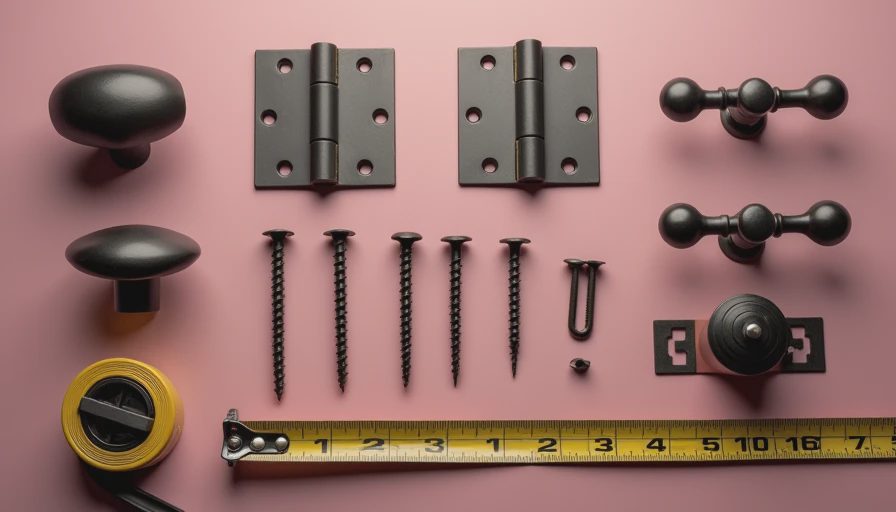
If you are coordinating cabinet hardware for a whole-home project, decide on the pieces before the shop starts drilling. Once hole spacing is locked in, swapping a 3-inch pull for a 5-inch pull can create a patch job you never wanted. I tell clients to order samples early, tape them to the actual cabinet doors, and live with them in daylight and evening light before the final purchase. That is a lot cheaper than returning 40 pulls after the first installation.
Budget wise, it helps to separate functional hardware from decorative hardware. Spend first on hinges, slides, and other moving parts. Then choose the visible pieces based on the room and the budget left over. On a well-planned project, a homeowner might spend a few hundred dollars on a small bath and several thousand on a full kitchen or whole-house set. The spread is wide because the number of pieces is wide, not because the idea is complicated.
Installation quality matters more than the product page suggests. Screws need to bite cleanly into the right substrate, pulls need consistent height, and doors need enough adjustment so the reveal lines stay even after the house settles. That is why I like to coordinate cabinet hardware with the shop drawings, not as an afterthought on installation day. When the hardware, joinery, and layout are all decided together, the result feels built in, not bolted on.
If you are planning a remodel or custom built-ins, that is the point where a good cabinetmaker earns the fee. You are not just buying parts. You are buying fewer mistakes, cleaner lines, and a house that feels more finished every time you open a door.




No comments yet — grab the first one.