The typical bathroom remodel cost is easier to understand when you stop treating it as one large invoice. A bathroom is a tight collection of trades: demolition, plumbing, electrical, waterproofing, tile, drywall, paint, cabinetry, glass, and finish hardware. Each layer affects the next. A modest-looking room can cost $15,000, while a larger primary bath with custom cabinetry and moved plumbing can pass $50,000 without anything especially extravagant.
I have seen homeowners focus on the price of a vanity while overlooking the labor behind the wall. That is usually where the budget moves. The useful question is not simply what a remodel costs, but what work you want the room to perform, what must be rebuilt, and which materials deserve your money.
What the typical bathroom remodel cost includes
For a standard full bathroom in the United States, a practical planning range is about $18,000 to $35,000. That assumes a room roughly 5 by 8 feet, replacement of the tub or shower, a new vanity, new flooring, updated lighting, and professional installation. A cosmetic refresh can land closer to $8,000 to $15,000 when the layout stays intact and the existing plumbing is sound. A high-end primary bathroom often reaches $40,000 to $75,000 or more.
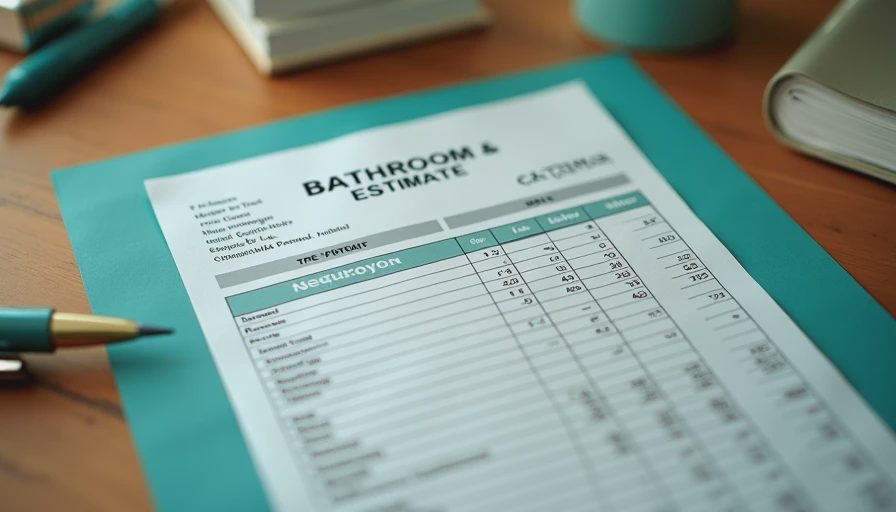
Labor commonly represents 40% to 60% of the project. Demolition may run $1,000 to $3,000, while plumbing and electrical work can add $2,500 to $8,000 depending on access and layout changes. Tile installation often costs $2,000 to $8,000 before premium stone, complicated patterns, niches, or heated floors enter the picture.
The typical bathroom remodel cost also includes disposal, permits where required, delivery charges, surface preparation, and the small parts that rarely appear in an inspiration photo. A new shower valve, shutoff, drain assembly, backer board, waterproofing membrane, and blocking for grab bars are not glamorous purchases, but they determine whether the finished room works ten years from now.
Where the money goes: fixtures, tile, and cabinetry
Fixtures create a broad price range. A reliable toilet may cost $200 to $600, while a wall-hung model with a concealed carrier can exceed $1,500 before installation. A basic acrylic shower base may cost $500 to $1,200. A tiled shower with a linear drain, bench, niche, and frameless glass enclosure can put $8,000 to $18,000 into one corner of the room.
Tile is similar. Ceramic wall tile can be affordable at $3 to $8 per square foot, but installation, waterproofing, cuts, edge details, and layout drive the real number. Large-format porcelain reduces grout lines but demands flatter walls and careful handling. Natural stone adds material, sealing, and sometimes additional structural or maintenance considerations.
Vanity construction deserves more attention than it gets. A ready-to-assemble cabinet can keep the furniture portion near $600 to $1,500. Semi-custom cabinets with plywood boxes, soft-close hardware, and a finished interior often land between $2,000 and $5,000. Custom cabinetry may run $4,000 to $10,000, particularly when the design includes a furniture-style toe kick, inset doors, quarter-sawn white oak, paint-grade maple, rollout storage, or a linen tower fitted to an uneven wall.
That does not make stock cabinetry a bad choice. IKEA, Home Depot, and other ready-made options have a legitimate place in a rental, a secondary bath, or a project where speed matters. Custom work earns its premium when the room has awkward corners, limited depth, off-center plumbing, or storage needs that standard boxes cannot solve cleanly.
Layout changes are the major budget lever
Keeping the toilet, sink, and shower in their existing locations is often the most effective way to reduce the typical bathroom remodel cost. Replacing visible fixtures is relatively straightforward; relocating the drain under a slab or rerouting supply lines through finished walls is not. A layout change can add $3,000 to $12,000, and difficult access can push higher.
That does not mean moving everything is always wrong. A poorly placed door, cramped shower, or vanity that blocks circulation can make the room frustrating every morning. I start with a dimensioned plan showing wall lengths, door swings, plumbing centers, window trim, and clearances. Then I compare the cost of moving one fixture against the daily benefit. Sometimes shifting a vanity six inches creates better drawer access without requiring a complete plumbing redesign.
Before demolition, confirm the finished dimensions of the products you intend to buy. A toilet rough-in, shower valve depth, medicine cabinet, and vanity top all have installation requirements. Ordering a beautiful 60-inch cabinet for a wall that finishes at 59 1/2 inches is an expensive lesson in measuring.
How to build a bathroom budget that survives construction
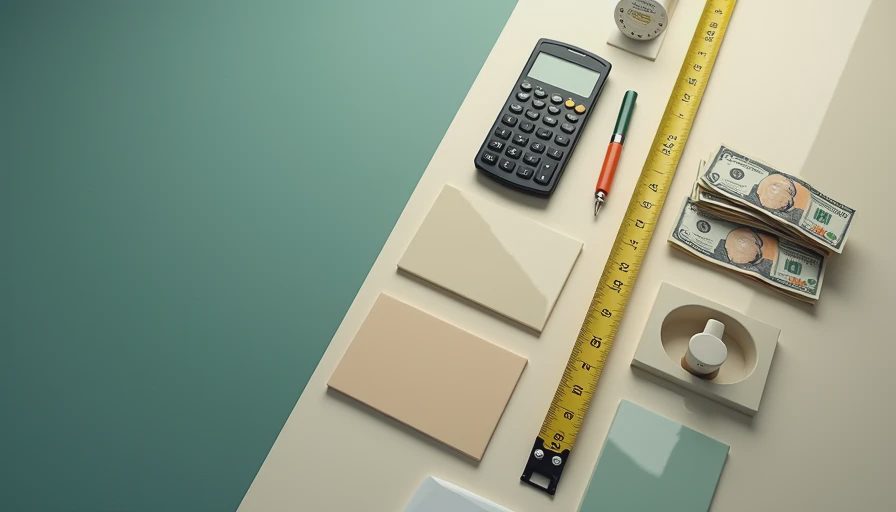
Start with a written scope rather than a collection of saved images. Record the room dimensions, layout decisions, fixture models, tile allowance, cabinet material, countertop, lighting, ventilation, and hardware. For each item, separate product cost from installation. A $3,000 vanity may still need a $500 faucet, $900 stone top, $400 delivery charge, and several hundred dollars for installation and trim work.
Use allowances carefully. If a contractor carries a $3-per-square-foot tile allowance and you select a $12 tile, the difference applies to every square foot, often before extra labor. The same issue appears with plumbing fixtures, glass, lighting, and cabinet hardware. Ask what quantity and grade each allowance represents, not just the dollar amount.
Set aside 10% to 20% for concealed conditions. Older homes may reveal damaged subfloor, undersized wiring, corroded valves, or framing that is not square. In a Seattle-area house, moisture damage and uneven existing walls are common enough that I would rather see a real contingency in the plan than a frantic request for cheaper tile halfway through the job.
Ways to control the typical bathroom remodel cost
The cleanest savings usually come from simplifying, not from buying the cheapest component in every category. Keep the plumbing locations, choose a straightforward tile layout, limit decorative niches, and use one strong focal material instead of five competing finishes. A standard rectangular shower is less expensive to waterproof and tile than a collection of angled returns and curved details.
Spend deliberately on the parts that are difficult to replace. Waterproofing, valves, ventilation, drawer hardware, and cabinet construction deserve dependable specifications. A 3/4-inch plywood cabinet box, full-extension soft-close slides, and a properly sealed shower assembly have more practical value than a fashionable faucet that needs proprietary parts.
You can also phase work intelligently. A good vanity with a durable top can be installed now while a linen cabinet is added later. Paint-grade custom storage may be more economical than walnut if the design is built around sound dimensions and quality hardware. The goal is not to make every decision cheap; it is to keep the money attached to useful performance.
A realistic planning example
Consider a 5-by-8 hall bathroom with the tub staying in place. Demolition and disposal might be $1,500, rough plumbing and electrical $3,500, waterproofing and tile labor $5,000, fixtures $2,500, a semi-custom vanity and top $3,500, glass and accessories $1,500, and paint, trim, permits, and miscellaneous work another $2,500. That produces a working total near $20,000 before a contingency.
Upgrade the tub to a fully tiled shower, add frameless glass, select handmade tile, and replace the vanity with custom white oak drawers, and the same footprint may approach $32,000 to $42,000. The walls did not move. The cost changed because the labor, material grade, and finish details changed.
That is the clearest way to evaluate the typical bathroom remodel cost. Get a measured design, price the actual products, and ask every contractor what is included behind the finished surfaces. A careful plan will not eliminate surprises, but it will show which choices create them. When you are ready to compare bids, bring a complete scope and a cabinet drawing rather than a single inspiration photograph. Good numbers begin with good information.


No comments yet — grab the first one.