Cheap kitchen units are not automatically a bad decision. In the right kitchen, a well-planned run of flat-pack cabinets can provide sound storage, acceptable hardware, and a clean finish for substantially less than fully custom work. The mistake is treating every cabinet box as interchangeable. Door material, wall condition, filler panels, corner access, and installation time determine whether the initial saving survives the renovation.
I build custom cabinetry, so I spend my days looking closely at the details that mass-produced kitchens simplify. That does not make IKEA, Home Depot, or Lowe’s systems useless. They are practical tools for rental properties, starter homes, utility rooms, and kitchens with straightforward dimensions. The job is to know where the budget option fits and where it creates expensive compromises.
What cheap kitchen units actually include
Most affordable kitchen systems use engineered wood rather than solid lumber. That is not automatically a weakness. A 3/4-inch melamine or laminate-covered particleboard panel can stay stable in a dry kitchen, and a well-applied edge band keeps the core protected. Many entry-level boxes use 1/2-inch sides, thinner backs, or stapled construction, which reduces manufacturing cost but leaves less material for repeated assembly and adjustment.
Cheap kitchen units usually include a cabinet box, doors, shelves, and basic hinges or drawer slides. They may not include decorative end panels, crown molding, toe-kick material, filler strips, handles, delivery, or installation. Those missing pieces matter because a kitchen rarely ends at a perfect wall. A 30-inch cabinet beside a 31-inch opening needs a carefully sized filler, not an accidental gap stuffed with caulk.
Look at the hardware before judging the door style. A drawer with a full-extension, soft-close undermount slide feels far better than a shallow drawer on a basic roller. Blum and Salice hardware typically costs more than generic alternatives, but the improvement is noticeable every day. If a low-cost system lets you upgrade the working parts, that can be a sensible compromise.
Where cheap kitchen units save real money
The largest saving comes from standardized manufacturing. A factory can cut hundreds of identical side panels more efficiently than a small shop can cut one unusual bank of cabinets. You also avoid the design, finishing, and delivery labor built into a custom quote. For a modest galley kitchen, the cabinet package might land around $2,500 to $6,000, while custom cabinets for the same footprint can easily reach $15,000 to $30,000 before counters and appliances.
Cheap kitchen units work especially well when walls are straight, ceilings are ordinary height, and the layout uses common widths such as 12, 18, 24, and 30 inches. They are also effective for a laundry room or pantry where the goal is organized storage rather than furniture-grade joinery. A homeowner willing to assemble boxes and coordinate delivery can keep labor costs under control, although installation is still a skilled task involving leveling, scribing, and secure wall attachment.
Another saving comes from selecting a simple door. A slab MDF door with a durable factory finish costs less than a five-piece hardwood door with a painted finish. Fewer decorative panels also make cleaning easier. Put the money into drawer storage, lighting, and a reliable countertop instead of paying for ornament that does not improve how the kitchen works.
The layout problems that erase the bargain
The price advantage narrows when the room is old, out of square, or full of obstructions. Seattle houses, for example, often contain plaster walls, uneven floors, soffits, and odd corners that make a standard cabinet run look unfinished. A cabinet can be perfectly level while the wall behind it bows by an inch. That gap then requires filler, trim, or a custom scribe.
Cheap kitchen units are harder to make convincing around windows, pipes, freestanding ranges, and shallow returns. A refrigerator opening may need an end panel and an overhead bridge cabinet to look intentional. A dishwasher requires the correct opening width and finished sides. A corner cabinet needs enough clearance for doors and handles, or one door will strike the adjacent cabinet every time it opens.
Measure the room in several places, including floor-to-ceiling height at both ends of each wall. Mark plumbing, electrical outlets, heating registers, and appliance specifications on a simple plan. Never order from one optimistic measurement. The cost of replacing a wrong cabinet, shipping a missing panel, or delaying countertop templating can consume several hundred dollars of the original saving.
Materials and hardware worth upgrading
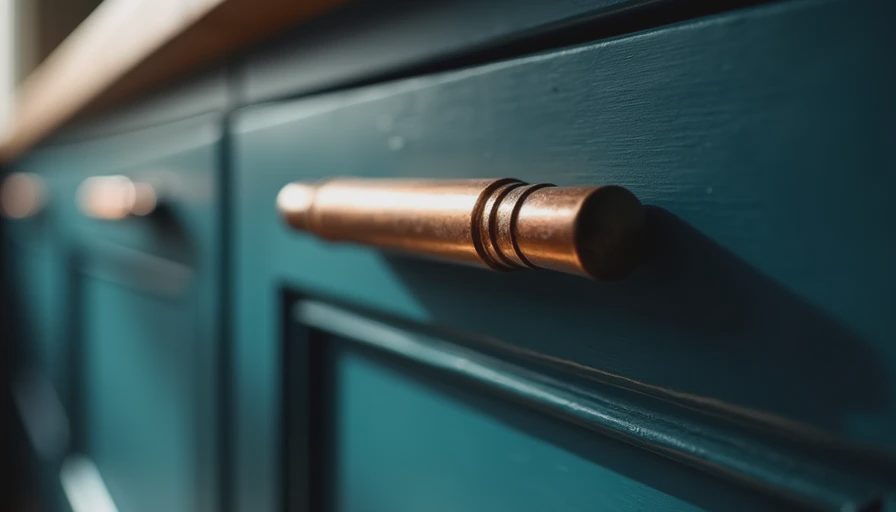
Spend first on the parts you touch. Drawers deserve full-extension slides with a rated load appropriate to pots and dishes. Hinges should have three-dimensional adjustment so doors can be aligned after the house moves seasonally. A cabinet with a plain door and good hardware will usually feel better than a decorative cabinet with loose hinges and sticky drawers.
For boxes, moisture resistance matters beneath a sink and beside a dishwasher. Look for sealed edges, durable laminate, and a back panel that can be secured rather than a flimsy paper skin. In a busy kitchen, a plywood upgrade can be worthwhile, but it is not necessary for every cabinet. Use it selectively for sink bases, trash pullouts, and wide drawer stacks where fasteners and daily loads are concentrated.
Countertops deserve similar discipline. A budget laminate top can be practical and attractive, often costing far less than quartz or natural stone. If the cabinet layout is simple, spend the difference on better lighting or a deeper drawer bank. Those choices improve function more reliably than a premium surface installed over poorly planned storage.
When custom cabinetry earns its price
Custom work makes financial sense when the room has expensive problems that standard boxes cannot solve cleanly. Full-height cabinets can use a tall ceiling without leaving a dust-catching gap. A shallow cabinet can fit beside a doorway. A window seat, appliance garage, integrated hood surround, or furniture-style island can be drawn to the actual room rather than forced into catalog dimensions.
Custom cabinetry also gives you control over materials. A cabinetmaker can specify maple plywood boxes, solid maple drawer parts, paint-grade poplar doors, or quarter-sawn white oak veneer according to the budget and the visual goal. That flexibility has a real price: a small custom kitchen commonly starts in the low five figures and rises with finish quality, hardware, and installation complexity.
The best comparison is not cheap kitchen units versus custom cabinets in the abstract. Compare the complete installed result. Add panels, fillers, trim, delivery, assembly, installation, countertop support, and the value of your time. A $5,000 package that becomes $10,000 after extras may still be right for your house, but it is not the same purchase as the headline price.
A practical buying process
Start with a measured floor plan and a list of appliances. Decide which cabinets need drawers, doors, pullouts, or open shelving before choosing a door color. Price the entire package, including decorative ends, toe kicks, fillers, handles, sink base modifications, and delivery. Ask how replacement parts are handled if a door arrives damaged.
Next, build a sample section. Assemble one base cabinet, install one drawer, and test the hinge adjustment before ordering the whole room. This small experiment reveals whether the instructions are clear, whether the fasteners hold, and whether the finished height works with your countertop plan. It is cheaper to change direction after one box than after twenty.
Finally, reserve money for installation and the unexpected. A reasonable contingency is often 10 to 15 percent for trim, shims, revised fillers, and small hardware. Cheap kitchen units can be an excellent value when the design respects their limits. They become false economy when the room demands precise fitting, unusual depths, or a seamless built-in appearance.
If you want the strongest result for the money, combine approaches: use standard boxes where the walls cooperate, upgrade the drawers and hinges, and commission custom panels or a troublesome corner from a cabinet shop. That hybrid plan keeps the budget honest while putting craftsmanship where your eye and hands notice it most.





No comments yet — grab the first one.