Affordable kitchen countertops do not have to look like a compromise. The right surface can make ordinary cabinets feel deliberate, improve how the kitchen works, and stay within a renovation budget. The mistake I see most often is comparing only the price per square foot. A countertop also has an edge profile, sink cutout, backsplash detail, installation charge, and maintenance requirements. Those small decisions determine whether a low-cost material looks crisp or unfinished.
In a typical kitchen, the countertop itself represents only part of the final bill. A 35-square-foot project might cost $700 to $1,400 for basic laminate, $1,050 to $2,100 for butcher block, or $2,100 to $4,500 for entry-level quartz, before unusual demolition or plumbing work. Local labor and the shape of the room can move those numbers substantially, but the comparison is useful when planning.
Start with the cabinet layout, not the sample
The most reliable affordable kitchen countertops begin with accurate cabinet dimensions. Measure the wall runs, appliance openings, overhangs, and finished cabinet height before choosing a material. Standard base cabinets are usually 24 inches deep, and a normal front overhang is about 1 to 1 1/2 inches. If the cabinets are out of square, a fabricator has to scribe the top or enlarge the seam, which can erase the savings from a cheaper surface.
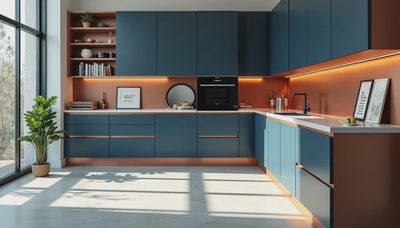
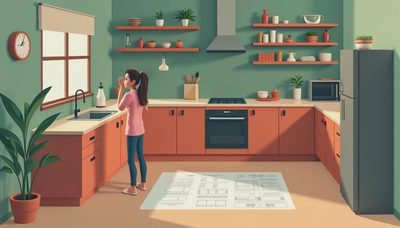
Look closely at the shape of the kitchen. A straight galley run is economical because it needs fewer cuts and usually no seam. An L-shaped kitchen with an inside corner costs more in fabrication. Islands add finished edges, outlets, sink or cooktop cutouts, and sometimes a support requirement. A simple drawing with every dimension is more useful than a showroom photograph when collecting estimates.
If you are replacing cabinets as well, avoid ordering the countertop before the boxes are installed and leveled. Even a strong material cannot correct a cabinet run that is twisted across the wall. In my shop, we confirm the finished height and scribe conditions first, then release the top for fabrication.
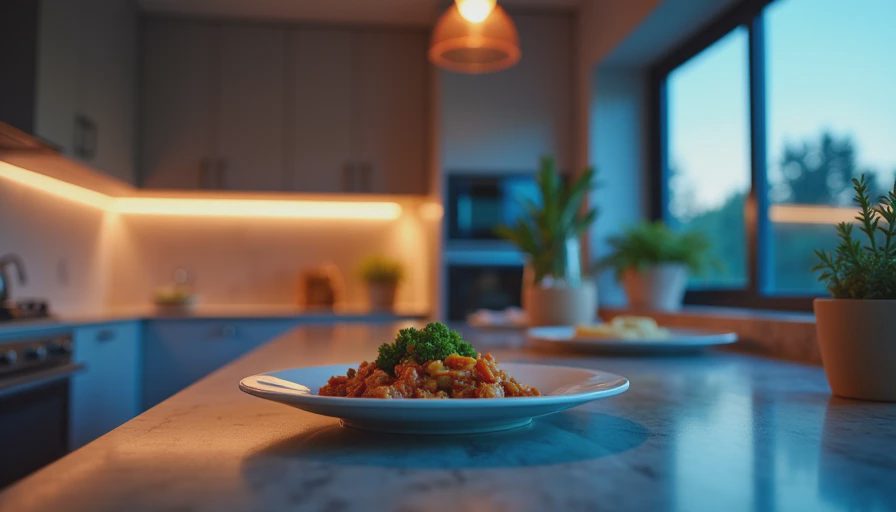
Compare the materials honestly
Laminate remains one of the strongest choices for affordable kitchen countertops. Modern high-pressure laminate is available in patterns that resemble soapstone, oak, concrete, and marble, and a standard installation often lands around $20 to $50 per square foot. It is light, easy to clean, and available with a built-up edge or a more contemporary flat edge. It does not tolerate direct heat or standing water at seams, so a hot pad and a properly sealed sink area matter.
Butcher block usually costs about $30 to $70 per square foot installed, depending on wood species, thickness, edge details, and finish. Maple is a practical choice; walnut looks richer but raises the material cost. Wood can be repaired more easily than many solid surfaces, but it needs routine oiling or a durable film finish. It also should not be treated as a cutting board unless the entire surface is designed for that use and maintained accordingly.
Tile countertops can be inexpensive, particularly when a homeowner already has tile-setting experience. Porcelain or ceramic tile may run $15 to $40 per square foot installed. The weak point is grout. Crumbs collect in narrow joints, and cracked grout around a sink is not a sign of poor housekeeping; it is a maintenance issue built into the assembly. Larger-format tile reduces grout lines but increases the importance of a flat, well-supported substrate.
Quartz is not usually the least expensive option, but affordable kitchen countertops in a basic quartz color can make sense when durability and low maintenance matter more than the lowest initial price. Expect roughly $60 to $100 per square foot installed for many entry-level selections, with premium colors and complex edges costing more. Quartz is nonporous and does not require sealing, but it still needs protection from intense direct heat.
Spend money where the eye and water go
A plain material can look expensive when the details are controlled. I would rather install a straightforward laminate with a clean eased edge than spend the budget on a dramatic pattern and leave an awkward seam beside the sink. The front edge is the first detail people touch, while the sink cutout is where water causes trouble.
Choose a simple eased or small-radius edge instead of a stacked ogee profile. It uses less material, suits modern and traditional cabinets, and is easier to repair. On an island, consider a finished end panel or waterfall only if the budget allows it without sacrificing the working surface. A waterfall edge can add several hundred dollars per side because it requires additional material and precise matching.
The backsplash deserves the same practical thinking. A four-inch matching backsplash is often cheaper than full-height slab work, while a separate ceramic tile backsplash gives more design flexibility. Keep the countertop-to-wall joint tight and use the correct flexible sealant. Caulk is not a substitute for a level cabinet or an improperly supported stone overhang.
Where affordable kitchen countertops save money
The best savings come from reducing fabrication complexity, not from choosing a surface that will fail early. Keep the sink centered in a cabinet where the cutout does not collide with a seam. Use an undermount sink only when the material and fabricator support it; a top-mount sink can reduce both fabrication cost and installation risk. Avoid unnecessary seams at corners, narrow fillers, and cooktop openings.
Ask every installer for an itemized quote. It should identify demolition, template work, material, edge treatment, sink cutouts, faucet holes, backsplash, delivery, installation, and disposal. A quote that appears $900 lower may exclude a $250 sink cutout, a $400 removal fee, or the cost of reconnecting plumbing.
For a rental, starter home, or quick refresh, laminate often offers the best value. For a busy family kitchen where repairability matters, sealed butcher block can be a sensible middle path. For a long-term remodel with simple runs, entry-level quartz may justify its higher upfront price. Affordable kitchen countertops are about matching the material to the room, not forcing every project into the same product.

A practical buying checklist
Before ordering, confirm the following details in writing:
- Measure the finished cabinet runs after installation, including walls that are not perfectly square.
- Mark appliances, sinks, faucets, outlets, seams, overhangs, and exposed cabinet ends on a plan.
- Request full-size samples, because a two-inch sample hides pattern repetition and seam visibility.
- Ask how the material handles heat, staining, standing water, and routine cleaning.
- Confirm whether the quote includes template, delivery, installation, sink cutouts, faucet holes, and backsplash.
- Decide who removes the old top and who reconnects the sink and dishwasher.
- Verify the support plan for any overhang wider than a normal cabinet front.
- Schedule installation only after the cabinets are secured, level, and ready for measurement.
That checklist prevents the common budget surprise: paying for a surface twice because the first order was based on preliminary dimensions. It also gives you a fair way to compare a local fabricator with a big-box installation package.
The right countertop can make modest cabinets work
I have seen affordable kitchen countertops transform a kitchen more effectively than an expensive cabinet upgrade. A calm laminate with a square edge can sharpen dated oak boxes. A maple top can warm painted cabinets and conceal small imperfections in an older home. A basic quartz surface can provide a clean, quiet background when the cabinet doors, hardware, and lighting do the visual work.
If your kitchen has straight runs, standard-depth cabinets, and no unusual structural conditions, start with laminate or butcher block and spend the saved money on accurate installation, better lighting, and hardware that will be touched every day. If you plan to stay for many years and want minimal maintenance, compare entry-level quartz against the full installed cost of the alternatives.
The goal is not to find the cheapest slab in town. It is to choose affordable kitchen countertops with a sound substrate, clean fabrication, and details that suit how you actually cook. Get two or three itemized bids, bring a dimensioned plan, and ask to see a finished project with a similar material. That is how a budget surface becomes a considered part of the room rather than an afterthought.



No comments yet — grab the first one.