Searching for kitchen cabinets cheap is sensible when a renovation has a fixed budget, but the lowest sticker price is not always the lowest project cost. A cabinet that arrives damaged, wastes corner space, or needs replacement hardware can erase the initial savings quickly. After nearly two decades in cabinet shops, I have found that the best budget kitchens come from choosing where to spend and where to accept a simpler solution.
The good news is that you do not need fully custom cabinetry to get a useful, durable kitchen. Stock cabinets from IKEA, Home Depot, Lowe's, and local building suppliers can work well when the room is straightforward. The key is understanding construction, measuring carefully, and avoiding upgrades that do not improve daily use.
What “cheap” should mean in a kitchen
When homeowners ask me about kitchen cabinets cheap, I first separate price from value. A $5,000 cabinet package is not a bargain if it requires $3,000 in fillers, replacement doors, delivery fees, and installation corrections. Conversely, a basic stock cabinet with a plywood box, adjustable shelves, and a durable laminate interior can serve a kitchen for many years.
For a small or average kitchen, stock cabinets often land around $3,000 to $8,000 for cabinetry alone. Semi-custom systems commonly run from $8,000 to $18,000, while a custom project can move well beyond that range. These figures exclude countertops, appliances, plumbing, electrical work, and labor. IKEA offers a practical low-cost starting point, while brands such as KraftMaid and Hampton Bay provide different levels of sizing and finish options through home improvement channels.
The cheapest sensible specification is usually a frameless or simple face-frame box, a melamine or laminate interior, and a painted MDF or thermofoil door. Spend more on the sink base, drawer hardware, and any cabinet that must carry heavy cookware. Those parts receive the most abuse.
Where stock cabinets save money
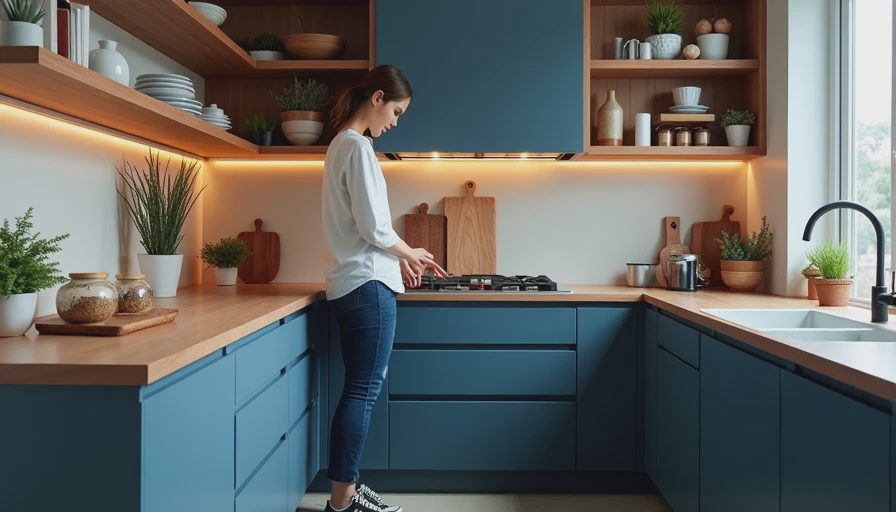
Stock cabinets are inexpensive because manufacturers produce standard widths and repeatable parts. That efficiency is useful if your walls are reasonably straight and the layout can be built around common sizes such as 12, 18, 24, 30, and 36 inches. A standard 36-inch sink base is easier to source and replace than a custom 34-inch version.
The trade-off is that stock sizing creates leftover gaps. A three-inch filler beside a wall is normal, but a 10-inch gap beside the refrigerator is a sign that the layout needs more thought. Fillers are not wasted material when they protect doors from hitting walls, but excessive filler means you are paying for space you cannot store in.
Flat-pack cabinets can be especially useful for a careful DIY homeowner. The cabinet boxes arrive unassembled, reducing shipping and warehouse costs. Assembly takes time, and poor fastening can leave a cabinet out of square, so use a flat surface, confirm every measurement, and follow the manufacturer’s instructions. The savings are real only if you can assemble and install accurately.
Materials that deserve your money
Many discussions about kitchen cabinets cheap focus on whether a box is plywood or particleboard. That matters, but it is not the only test. A well-assembled 3/4-inch engineered wood box with a sealed melamine surface can perform better than poorly joined thin plywood. Look at the back panel, shelf support, fastening method, and how the bottom is attached.
For budget cabinetry, I like a 3/4-inch box, captured or securely fastened back, adjustable shelves, and full-extension drawer slides rated for at least 75 pounds. A five-piece plywood drawer box is a worthwhile upgrade if the price is reasonable. Avoid paying a premium for decorative end panels everywhere; use finished panels only where the cabinet sides are visible.
Door material also changes the budget. Thermofoil is easy to clean and consistent, although heat from a range or toaster can damage an exposed edge. Painted MDF gives a smooth finish at a moderate cost. Oak, maple, or veneer doors add visible grain and can be attractive, but they are not automatically more durable. The right choice depends on moisture, heat, and how much visual texture you want.
A practical layout for kitchen cabinets cheap
The strongest budget layout is usually a simple work triangle with fewer unusual cabinets. Keep the sink, refrigerator, and cooking surface close enough for efficient movement, then put drawers near the range for utensils and pans. A wide drawer base often provides more useful access than two narrow doors hiding a fixed shelf.
Skip specialty accessories unless they solve a specific problem. A $700 magic corner mechanism is hard to justify in a small kitchen when a standard corner cabinet can hold seldom-used appliances. A $150 trash pullout can be useful because it keeps bins accessible, but a decorative tray divider may add cost without improving the room.
If the walls are uneven, reserve budget for filler strips and scribe work. Cabinets should be installed level and plumb, even when the floor is not. Shimming the base boxes and fastening them to studs prevents doors from drifting and countertops from stressing the cabinet frames. Installation quality is part of the cabinet price, not an optional finishing touch.
Where DIY makes sense and where it does not
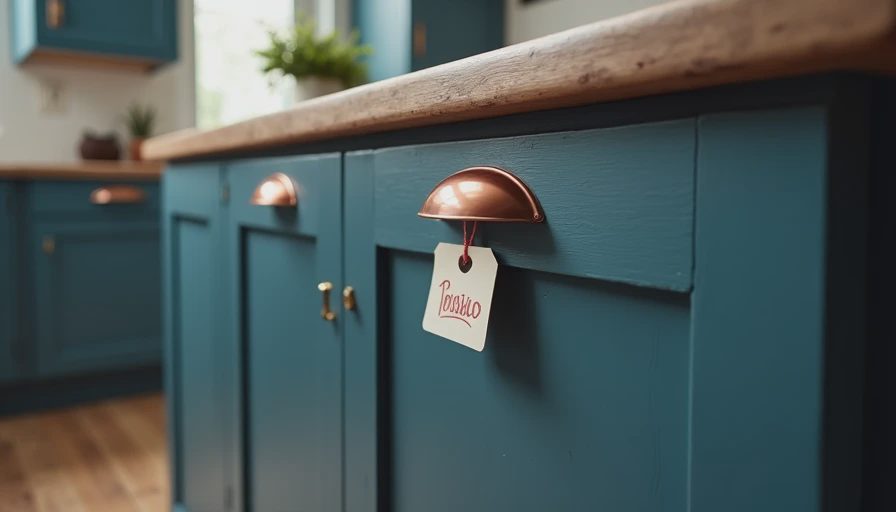
DIY assembly can reduce a cabinet installation by several thousand dollars, depending on the size of the kitchen and local labor rates. It is a good fit for someone comfortable with a drill, clamps, a level, and careful layout lines. You can also save by removing old cabinets, painting the room, and installing hardware yourself.
I would be more cautious with countertop templating, gas connections, electrical changes, and final cabinet scribing. A cabinet that is one-eighth inch out of position can create a visible problem across a long run. If you hire help, ask for a fixed installation scope that explains whether leveling, fillers, toe kicks, end panels, and crown molding are included.
A hybrid approach often gives the best result. Buy stock boxes, hire an installer for the base run, and complete simple tasks such as knobs, pulls, and touch-up work yourself. That preserves money for the parts that affect alignment and daily use.
A budget checklist before ordering
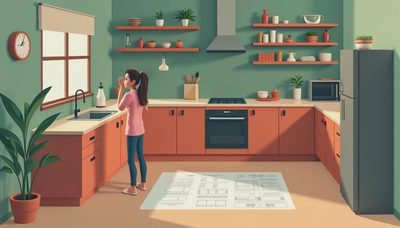
Before buying kitchen cabinets cheap, draw the room to scale and mark every wall, window, door swing, outlet, plumbing line, and appliance opening. Measure each wall in at least three places because floors and walls are rarely perfect. Confirm the refrigerator depth and the range width before finalizing cabinet sizes.
Request a complete quote rather than a cabinet-only number. It should identify boxes, doors, shelves, hinges, drawer slides, fillers, toe kicks, finished panels, shipping, tax, and installation. Compare the same components across IKEA, local suppliers, and larger retail brands. A lower quote can hide missing end panels or basic hinges.
Order one sample door if the finish is unfamiliar. Check it in daylight, near the countertop, and beside the flooring. Also inspect the hinge cup, drawer slide, and box joint. Spending an hour on samples is cheaper than discovering after delivery that the white finish is blue-gray or the drawer feels flimsy.
The smartest way to get kitchen cabinets cheap is not to chase the absolute lowest number. Use standard sizes where they fit, choose durable internals, limit decorative upgrades, and pay for accurate installation. That approach keeps the budget controlled while making the kitchen feel intentional rather than temporary. When the room’s shape demands unusual sizes or built-in storage, a focused custom component may be worth adding to an otherwise stock layout.


No comments yet — grab the first one.