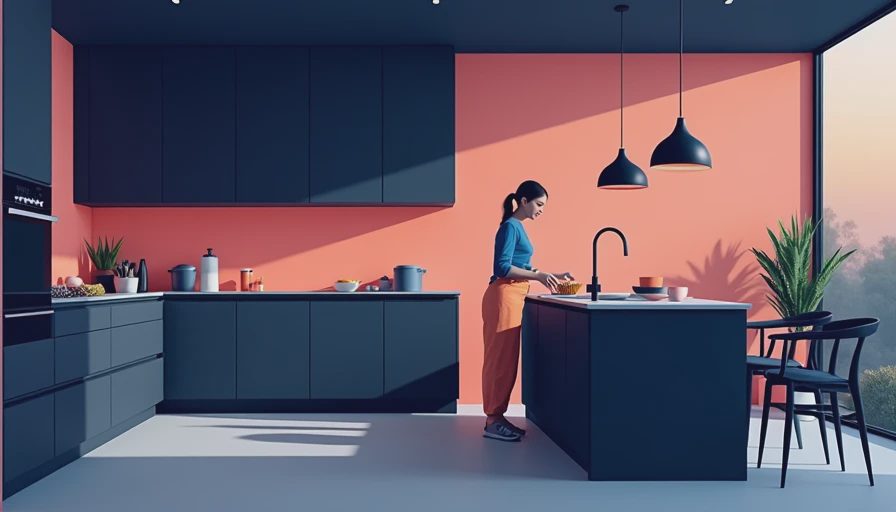
Black kitchen cabinets can make a kitchen feel architectural rather than merely renovated. The color has weight, but it does not have to make a room gloomy or formal. In my Seattle shop, I have used black cabinetry in compact galley kitchens, open rooms with white oak floors, and older homes where a strong cabinet color helped tie mismatched elements together. The result depends less on the color itself than on sheen, material, lighting, and the amount of visual relief around it.
The first decision is whether you want a painted surface, a dark wood, or a laminate with a consistent manufactured finish. Each has a different grain, edge detail, repair profile, and price. A good design brief answers those questions before anyone starts drawing door elevations.
Choose the Right Black Finish
Painted maple is the most familiar route. A cabinet shop can spray a low-sheen conversion varnish or catalyzed lacquer in a deep black, producing a smoother and more furniture-like surface than ordinary wall paint. Maple is useful because its tight grain does not telegraph strongly through the finish. Poplar costs less and paints well, although it is softer and more prone to dents on exposed end panels and doors.
For black kitchen cabinets, I generally prefer a satin or low-sheen finish over high gloss. Satin hides fingerprints, small scratches, and uneven light better, especially on a busy island. High gloss can look excellent in a very controlled modern interior, but it reflects every under-cabinet light and every smudge. Ask for a large sample, not a two-inch color chip. Hold it beside the floor, countertop, backsplash, and window trim at different times of day.
Dark-stained walnut or oak creates a different effect. The cabinet remains black or near-black from a distance, but the open grain gives the surface movement. Rift-cut white oak with an ebony-toned stain is particularly effective when the room already contains natural wood. It usually costs more than painted maple because the veneer selection, matching, and finishing take more time.

Make the Layout Carry the Color
A black kitchen works best when the layout has enough calm, useful storage. Tall pantry cabinets, integrated refrigerator panels, and a well-proportioned island create broad areas where the finish reads as a deliberate plane. Too many narrow doors and exposed appliances can make the room look busy, regardless of cabinet color.
For a typical 10-by-12-foot kitchen, I would rather see a simple run of full-height storage and four wide base drawers than a collection of small decorative doors. Wide drawers also make the interior more practical. A 36-inch drawer can hold pots in one layer, while a 24-inch drawer often forces cookware into a stack that gets disrupted every evening.
Black kitchen cabinets do not require a black island. A stained oak island, painted white perimeter, or stone waterfall end can break up a large field of dark color. This is not a rule; it is a way to give the eye a resting place. If the perimeter and island are both dark, use countertop thickness, open shelving, or a contrasting backsplash to introduce scale.
Balance Dark Cabinetry With Light
Light is the detail that determines whether dark cabinetry feels rich or heavy. Plan task lighting under every upper cabinet, not just at the sink. A continuous LED strip in an aluminum channel produces a cleaner work surface than a series of bright puck lights. Choose a warm-neutral color temperature around 2700K to 3000K if the room has warm wood, or closer to 3500K if the finishes are cooler and more contemporary.
Natural light matters as well. In a north-facing kitchen, a pale quartz or light soapstone countertop can return useful brightness into the room. White walls are not the only answer. Plaster, warm gray paint, honed limestone, and natural oak can all keep the room from looking stark. The goal is contrast with texture, not simply contrast with white.
If the kitchen has limited daylight, black kitchen cabinets can still work, but reduce the number of upper cabinets or use glass-front doors selectively. Clear glass with interior lighting adds depth without turning the room into a display case. Open shelving should be limited to items used often; otherwise it becomes another cleaning obligation.
Hardware, Edges, and Daily Wear
Hardware changes the character of a dark kitchen quickly. A 5-inch or 6-inch brushed brass pull warms a painted black door and is easy to grip. Brushed stainless steel feels more utilitarian and works well with professional ranges. Black hardware creates a quiet, nearly monolithic look, but matching black on black makes the pull harder to see in a dim room.
Do not overlook door edges. A square eased edge suits a contemporary slab or Shaker door. A small bevel catches light and gives a painted door a more finished profile. For a five-piece door, ask how the center panel is constructed. A solid wood panel can move seasonally, while a stable MDF panel with a properly sealed finish often stays flatter. Neither choice is automatically superior; the right one depends on construction and finish quality.
The most touched areas deserve extra attention. Around a dishwasher, sink, and trash pullout, water and hand oils will test the finish daily. A good spray finish is not indestructible. Wipe spills rather than letting them sit, and use a soft cloth instead of an abrasive sponge. With black kitchen cabinets, small chips can be more visible than they would be on a pale finish, so ask the installer for a touch-up kit and the exact product specification.
What Black Kitchen Cabinets Cost
Cabinet pricing depends on construction, material, hardware, and installation, but useful planning ranges are possible. Stock or ready-to-assemble cabinets for a modest kitchen may begin around $5,000 to $12,000 before installation and countertops. Semi-custom work often lands in the $12,000 to $25,000 range. A fully custom kitchen with furniture-grade interiors, specialty storage, finished panels, and site-built fillers can run from $25,000 well beyond $50,000.
The black finish itself is not usually the largest cost. Labor increases when the design includes matching end panels, refrigerator panels, deep crown details, or difficult wall conditions. A custom shop also spends time building a sample, preparing doors, sanding between coats, and adjusting the spray schedule. That labor is where a durable finish earns its price.
Hardware can add another $600 to $2,500, while drawer organizers, waste systems, tray dividers, and pull-out pantry fittings can add several thousand dollars. I would prioritize full-extension soft-close drawers and a good trash-and-recycling pullout before buying decorative trim. Storage you touch every day is a better investment than a feature that only photographs well.
A Practical Design Brief
Before requesting quotes for black kitchen cabinets, measure the room and record ceiling height, window locations, appliance dimensions, and the position of plumbing and electrical services. Photograph every wall, including the corners. Existing conditions often explain why a seemingly simple cabinet run becomes expensive.
Then write down how the kitchen is actually used. Do you bake, cook with large pans, store small appliances, or need a coffee station that can close behind doors? Note the items that currently live on the counter. A cabinetmaker can turn those observations into drawer widths, shelf heights, and outlet locations instead of adding generic storage.
Finally, compare quotes line by line. Confirm whether the price includes delivery, installation, finished panels, fillers, countertop coordination, hardware, and touch-up work. Ask for the cabinet box material, door construction, finish system, and warranty in writing. Black kitchen cabinets can be a strong long-term choice, but the finish will only look as good as the substrate, joinery, and installation beneath it.
The best version is not necessarily the darkest or most expensive. It is the one that gives the room useful storage, balanced light, durable surfaces, and enough natural material to keep the color from becoming a costume. Start with the cut list and the way you live, then let the black finish do its job: give the kitchen a clear, confident structure.




No comments yet — grab the first one.