Cabinet door hinges are small parts with an outsized effect on how a kitchen, pantry, or built-in feels every day. When the hinge is correctly selected and installed, a door opens smoothly, closes quietly, and stays aligned through years of use. When it is wrong, you get rubbing edges, uneven gaps, doors that swing too far, and screws that slowly work loose. After 19 years in cabinet shops, I treat hinges as part of the cabinet design, not an afterthought added after the boxes are built.
Start with the door construction
Before choosing hardware, identify the door style, overlay, and cabinet construction. A frameless cabinet has a clean box front, so the hinge mounts directly to the cabinet side. A face-frame cabinet has a hardwood frame around the opening, and the hinge must either attach to that frame or use a special adapter. Those two systems are not interchangeable.
The door’s position also matters. Full-overlay doors cover nearly the entire cabinet front, while half-overlay doors share a center divider or leave more of the frame exposed. Inset doors sit flush inside the opening. Each arrangement needs a different hinge geometry. Ordering based only on a product photo is how a perfectly good hinge becomes an expensive return.
Door weight is the next consideration. A 12-inch-wide maple door with a thin center panel might need two hinges. A tall, solid white oak pantry door can require three or four, especially when the door is more than 36 inches high. The manufacturer’s weight and size chart is more useful than a generic rule of thumb.

Overlay, inset, and specialty options
For most contemporary kitchens, concealed European-style cabinet door hinges are the practical starting point. Brands such as Blum, Salice, and Grass make hinges with adjustable mounting plates and dependable nickel-plated steel components. They disappear when the door is closed and allow small corrections after installation.
Full-overlay hinges are used when the door covers the cabinet side and face frame. Half-overlay versions leave part of the cabinet structure visible. Inset hinges position the door inside the opening, where a narrow, consistent reveal becomes part of the design. Inset work demands better cabinet accuracy because there is less room to hide a crooked box or an uneven door.
There are also specialty hinges for corner cabinets, bi-fold doors, thick doors, glass panels, and narrow openings. A corner lazy Susan door, for example, does not behave like a standard single door. The hinge must accommodate its folding movement and the clearance at the neighboring cabinet. This is where a shop drawing or manufacturer template earns its keep.
Soft-close is useful, not decorative
Soft-close cabinet door hinges use a small damper to slow the final part of the closing motion. The benefit is not just a quieter kitchen. Controlled closing reduces slamming, protects the door edge, and makes a tall pantry or bathroom vanity feel more substantial. In a busy home, that restraint also prevents children from repeatedly hammering doors against the cabinet box.
Good soft-close hardware is adjustable. Blum CLIP top hinges, for instance, are common in professional work because the hinge and mounting plate can be separated without removing the cabinet screws. Salice and Grass offer comparable concealed systems with different mounting and adjustment details. The brand matters less than using a complete, compatible system and installing it according to the boring but important instructions.
Soft-close is not always the right answer. A very small door, a lightweight access panel, or a period-style piece may work better with a simple butt hinge or a compact concealed hinge. On a traditional inset cabinet, visible brass or stainless steel hinges can be a deliberate architectural detail rather than something to hide.
The adjustment range saves installation time
Three-way adjustment is one of the most valuable features in modern cabinet door hinges. Height adjustment moves the door up or down. Side-to-side adjustment controls the gap between doors. Depth adjustment moves the door closer to or farther from the cabinet front. These corrections are measured in millimeters, but they determine whether a run of doors looks carefully built.
A cabinetmaker checks the reveals under different lighting, not just from six feet away. In a kitchen, a 1/8-inch inconsistency can become obvious where several doors meet. Adjustments also compensate for seasonal movement in wood doors and minor variation in the wall behind a built-in. They cannot fix a badly twisted cabinet, but they can bring a sound installation into line.
Use the correct screws for the material. Coarse-thread screws suit particleboard and plywood, while smaller confirmat-style or specialty fasteners may be appropriate for certain cabinet systems. For hardwood face frames, predrilling prevents splitting. Over-tightening is another common mistake: it strips the mounting hole and makes future adjustment less reliable.
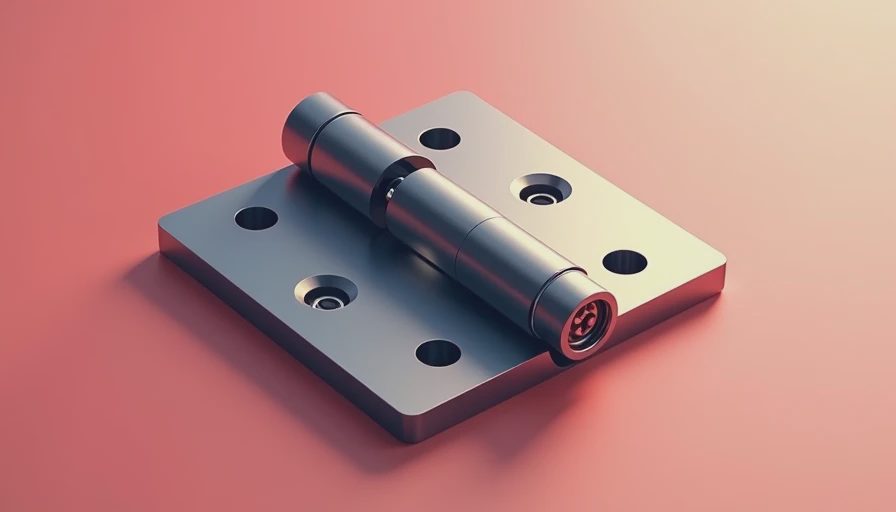
What cabinet door hinges cost
Basic concealed hinges can cost roughly $3 to $8 each. Better soft-close models commonly run $8 to $20 each, and specialty corner or heavy-duty hinges can cost more. That means hardware for a typical 20-door kitchen might range from about $120 for basic components to $500 or more for premium soft-close hardware, before labor and installation plates.
The hinge is rarely the largest line item in a custom cabinet project, but it is a poor place to chase the lowest price. Replacing a dozen failing hinges after the doors are painted can involve removing shelves, filling stripped holes, touching up finishes, and returning for a second adjustment. Spending an extra $150 on hardware during the build is often cheaper than correcting access problems later.
I also separate hardware cost from installation cost. A cabinet shop may include hinge boring, plates, and adjustment in its cabinet price. A handyman installing replacement hardware may charge by the hour, with a small kitchen taking several hours if existing holes do not match. Ask what is included before comparing quotes.
A practical selection process
Measure the door height, width, and thickness, then note whether it is overlay or inset. Identify frameless construction or the face-frame width. Count the existing hinge cups and record the cup diameter, cup setback, and screw pattern if you are replacing hardware. A photo helps, but measurements prevent ordering by appearance alone.
Next, decide how the door should open. Standard hinges often open around 100 to 110 degrees. A wide drawer beside a door may need a 155-degree hinge, while a wall corner may require a restricted opening to prevent the handle from striking another door. Door clearance is a design issue, not merely an installation detail.
Finally, buy one test hinge before purchasing the whole set. Install it on a representative door, check the reveal, confirm the door clears nearby drawers, and test the closing action. This small step can expose a compatibility problem while the fix is still inexpensive.
When replacement makes sense
Replacing cabinet door hinges makes sense when the doors are structurally sound but sagging, noisy, or difficult to align. It is especially worthwhile on kitchens from the 1990s and early 2000s that used basic self-closing hardware without damping. New hinges can make those cabinets feel dramatically better for a few hundred dollars rather than the cost of a full remodel.
Replacement is less sensible when the cabinet box is swollen from water, the door is badly warped, or the face frame has pulled loose. Hardware cannot repair damaged substrate. In that situation, a replacement door, a rebuilt cabinet section, or a new custom box may be the honest solution.
For a whole-home project, standardizing the hinge family across the kitchen, mudroom, laundry room, and bathroom reduces maintenance. Keep a few spare hinges and mounting screws labeled in a drawer. Ten years from now, knowing the exact model will matter more than remembering that the hinge was silver and soft-closing.
The right cabinet door hinges disappear into the finished room, which is exactly what good hardware should do. Choose them from the door construction and opening conditions, not from a catalog thumbnail. With accurate boring, solid mounting, and a final adjustment, the cabinet will open with the quiet, controlled movement that makes custom millwork feel built into the house rather than installed inside it.




No comments yet — grab the first one.