The Pre-Design Inventory
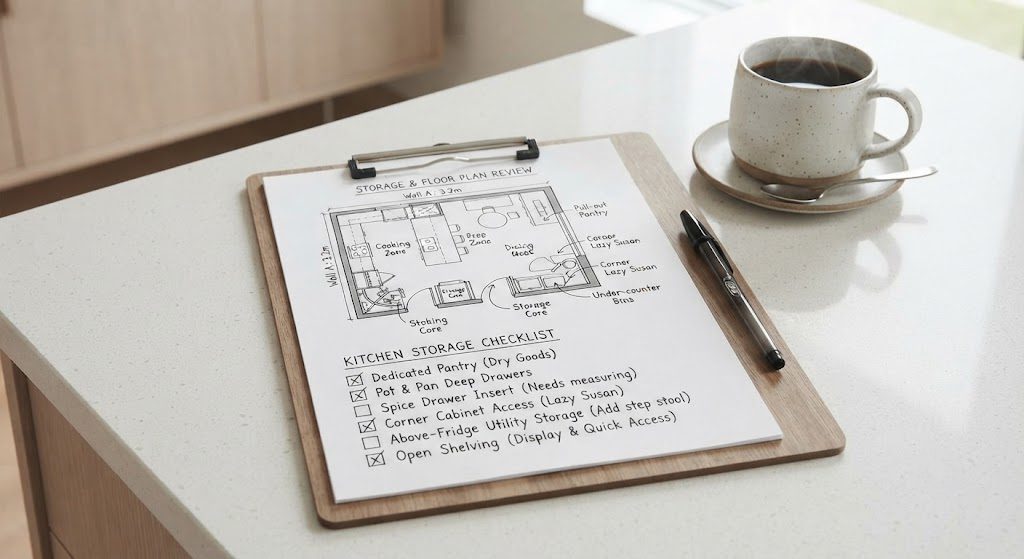
Designers ask for inspiration images. I ask for a count. Before you talk to a single cabinetmaker, you need a room-by-room audit of what you actually own and how you live. Most clients skip this step — and then discover, six months after install, that the pantry has no shelf deep enough for a cereal box, or the mudroom bench seat doesn’t fit a single winter boot upright. The audit takes two hours on a Saturday morning and routinely prevents five-figure regrets.
What You Own vs. What You Use
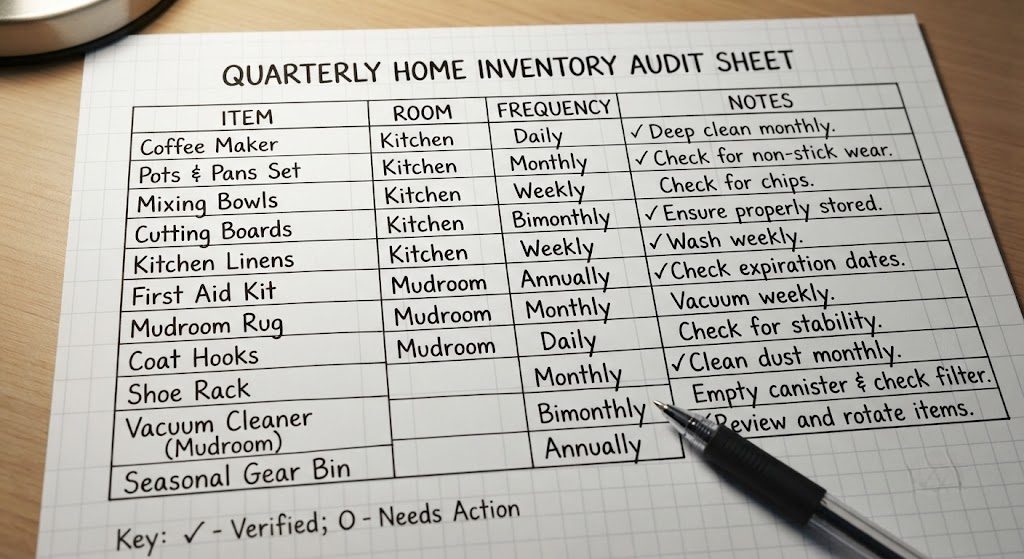
Start with a clipboard and a blank spreadsheet. Walk into every room and open every drawer, cabinet, and closet. List each category of item: coffee mugs, baking sheets, winter gloves, filing boxes, vacuum attachments, spare pillows. Be ruthless about quantity. You think you have 12 mugs; the audit reveals 27.
Then run the frequency test. Mark each category as Daily, Weekly, Monthly, or Seasonal. The mugs are daily. The turkey roaster is twice a year. The holiday decorations are seasonal. Items you use daily need waist-to-eye-level access. Items you use monthly can live behind a door. Seasonal items go in high cabinets, deep drawers, or the attic. This simple grid — frequency against location — dictates every drawer height, shelf depth, and door swing in a custom cabinet design.
The Frequency Test in Action
Leo Chase walked through his kitchen audit and discovered 14 small appliances. The espresso machine and toaster were daily. The stand mixer was weekly. The waffle iron, slow cooker, and juicer hadn’t been touched in over a year. We designed a pantry with a dedicated appliance garage at counter height, three deep rollout shelves below for weekly items, and a high cabinet for the once-a-year crew — all without sacrificing a single square foot of usable counter. The garage alone cost $800. It saved him replacing a $200 appliance shelf every few years and reclaimed the corner of the counter that used to hold the waffle iron hostage.
The Room-by-Room Walkthrough
Entry and Mudroom
Count coats, boots, backpacks, umbrellas, and pet gear. A family of four with a dog can generate 12 pairs of footwear per season. If you build four cubbies, you’ve already failed. Plan open storage for daily grab-and-go, closed storage for off-season rotation, and a bench height that matches the tallest boot in the house.
Kitchen and Pantry
Audit cookware by type: lids, pots, sheet pans, small appliances. Stack sheet pans vertically in a dedicated slot; store pot lids on pull-out pin racks. A pantry shelf depth of 12 inches loses nothing to the back; 16 inches creates a black hole. If you buy flour, rice, or dog food in bulk, measure the bag height and build a pull-out bin to fit.
Closets and Bedrooms
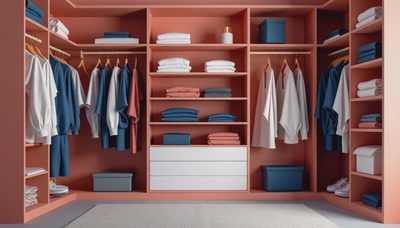
Hanging lengths matter. Measure your longest dress, coat, and shirt. Most reach-in closets waste a foot of vertical space by ignoring the difference between single- and double-hang zones. Shoe shelves tilt at 15 degrees — anything shallower and heels slide off; anything steeper and toes jam.
Bathrooms
The wall behind the vanity door is dead space. A recessed medicine cabinet that spans stud-to-stud gains you four inches of depth without encroaching on the room. Count toiletries: the average couple owns 18 bottles that need a home. Deep drawers with adjustable dividers beat a cabinet with a single shelf every time.
From Audit to Brief
The completed audit becomes your design brief. It tells the cabinetmaker that you need 24 inches of coat rod per person, a 10-inch-deep spice pull-out to the right of the range, and a bathroom drawer deep enough to hold a hair dryer standing up. The numbers don’t lie, and neither will the cabinetry.



No comments yet — grab the first one.