A storage cabinet with doors can do more than hide clutter. Sized correctly, it gives a room visual calm, protects what is inside, and uses wall space that would otherwise go to waste. After nearly two decades in cabinet shops, I have seen homeowners spend too much on attractive furniture that fits neither the room nor the things they need to store. The useful design starts with the contents, then works outward to materials, hardware, and proportions.
Start with the room, not the catalog
Before choosing a cabinet, measure the wall in three places: near the floor, at countertop height, and near the ceiling. Older homes rarely have perfectly straight walls, and a six-foot-wide opening can differ by half an inch from one end to the other. Record the baseboard height, outlet locations, door swings, heating registers, and the path from the front door to the installation area.
A freestanding storage cabinet with doors usually works well when you need flexibility or expect to move within a few years. A built-in makes more sense when the wall is awkward, the storage needs to reach the ceiling, or you want the cabinet to look like part of the architecture. IKEA, Target, and similar retailers have sensible solutions for rental homes and quick updates. Custom work earns its price when filler panels, scribed sides, unusual depths, or matching trim are what make the installation look intentional.
The most common planning mistake is choosing a depth first. Books need roughly 10 to 12 inches, folded linens often need 16 inches, and small appliances can require 20 to 24 inches. A cabinet that is too deep creates a dark second row of objects; one that is too shallow leaves useful equipment sticking out.
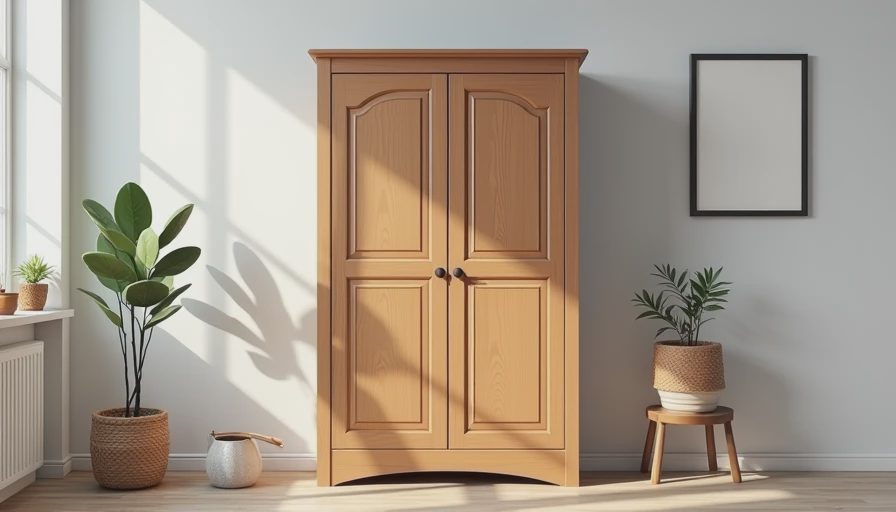
Pick materials that suit the workload
For most painted cabinetry, I specify 3/4-inch plywood boxes with a durable conversion varnish or catalyzed lacquer finish on the doors. Cabinet-grade birch plywood is stable, clean-edged, and a good choice for a mudroom, office, or family room. A less expensive cabinet may use 1/2-inch particleboard or medium-density fiberboard. That is not automatically poor construction, but the edge treatment, fasteners, and moisture exposure matter.
For a natural wood storage cabinet with doors, quarter-sawn white oak, rift-sawn white oak, maple, and walnut are all practical choices. Quarter-sawn oak shows a straighter grain and can include distinctive ray fleck. Rift-sawn oak gives a quieter, modern face. Veneer panels are often the correct choice for wide doors because solid wood expands and contracts across its grain. A properly balanced veneer panel is less likely to cup than a broad solid slab.
In a kitchen, laundry room, or entryway, ask about the finish schedule rather than accepting the word “premium.” A clear finish should resist ordinary fingerprints and wiping. Painted doors should have sealed edges and a consistent sheen. A satin finish is forgiving; high gloss reveals every uneven corner and sanding mark.
Door style and hardware change the whole result
Shaker doors remain popular because their simple rails and stiles work with traditional and contemporary rooms. Slab doors suit a cleaner, more architectural interior, while inset doors create a furniture-like appearance. Inset construction requires tighter tolerances and usually costs more because the doors sit inside the face frame rather than covering it.
For everyday use, use concealed soft-close hinges from manufacturers such as Blum or Salice. A full-overlay door gives the most uninterrupted look and leaves more usable interior width. Half-overlay doors expose some of the cabinet divider and can be a practical choice for a lower-cost run. If children will use the cabinet, choose pulls with a comfortable grip instead of tiny decorative knobs.
A storage cabinet with doors should also have adjustable shelves on a useful pin spacing, commonly 32 millimeters in European-style construction. Fixed shelves are stronger for heavy records, tools, or dishes, but adjustable shelves let the cabinet change as your household does. I usually recommend at least one fixed shelf in a tall cabinet to keep the box square, with adjustable shelves above and below where possible.
Plan each room around what it actually stores
In a living room, a storage cabinet with doors can hold games, media equipment, paperwork, and charging cables without turning the wall into an open display. Include ventilation behind electronics and leave enough room for cable bends. A 15- to 18-inch-deep cabinet is often adequate, but measure the receiver, game console, or record player before drawing the case.
In a dining room, shallow cabinets are useful for serving pieces and table linens. Use drawers for silverware and napkins, then doors below for larger platters. In an entry, prioritize hooks, baskets, and a durable bench over a tall cabinet that becomes a dumping ground. A mudroom storage cabinet with doors is especially useful for shoes, cleaning supplies, and seasonal gear, but wet footwear needs ventilation and a material that tolerates moisture.
Bedrooms benefit from adjustable interiors. A cabinet for folded clothing should not be organized like a bookcase. Add deeper shelves for sweaters, narrower shelves for accessories, and a pull-out valet or hamper if the room allows. In a home office, doors conceal printers and paper, while open shelving can keep frequently used books accessible.
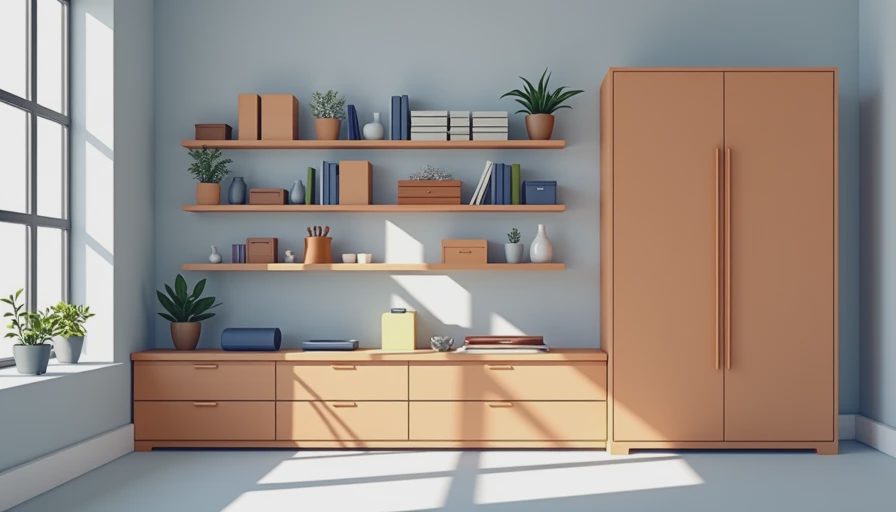
Understand the cost before ordering
A ready-made storage cabinet with doors can cost about $150 to $800, depending on size, material, and hardware. Semi-custom units commonly land between $800 and $2,500 per cabinet. A site-measured, painted built-in with scribed fillers, trim, and installation can run from roughly $3,000 to $10,000 or more for a wall, depending on length and complexity. Seattle labor, transportation, finish work, and difficult stair access can push a project toward the upper end.
The cabinet box is only part of the quote. Ask whether the price includes design drawings, delivery, wall preparation, installation, painting, baseboards, crown molding, and touch-up work. A low bid may exclude the electrical work needed for lighting or the trim required to close gaps at the wall. Those omissions become expensive after the cabinet arrives.
You can control the budget without stripping out the useful parts. Keep the cabinet depth standard, limit specialty pull-outs, use paint-grade maple or MDF for doors, and reserve expensive walnut for a visible accent. Spend on hinges, drawer slides, and installation accuracy before spending on decorative end panels.
A practical buying and design checklist
Measure the room and photograph every wall before requesting a quote. Make a simple inventory of the objects that must fit, including their height, width, and weight. Decide whether the cabinet needs to move with you or become part of the house. Choose door style, material, and finish together because a change in one can affect the others.
Then ask the cabinetmaker for a scaled elevation, interior shelf layout, material specifications, and hardware brands. Confirm the finished dimensions, not just the rough opening. For a tall storage cabinet with doors, ask how it will be anchored to the wall and whether it can be brought through the stairway or doorway in one piece. Good planning prevents a beautiful cabinet from becoming an expensive problem on installation day.
The right storage cabinet with doors should disappear into the room while making daily life easier. Whether you buy a capable ready-made unit or commission a built-in, judge it by fit, access, construction, and the quality of the installation. A cabinet that holds the right things at the right height will serve you longer than one chosen only for its finish sample.



No comments yet — grab the first one.