The cheapest kitchen cabinets are not always the least expensive cabinets. A low sticker price can become a costly project when warped sides, weak drawer slides, or awkward filler strips force you to replace parts within a few years. I have seen homeowners spend carefully on countertops and appliances, then lose those savings correcting poor cabinet layouts. The better approach is to separate the cabinet box, the finish, the hardware, and the installation. That makes it possible to find genuine value without pretending a $3,000 kitchen will perform like a $30,000 custom job.
For most remodels, the cheapest kitchen cabinets worth considering fall into three groups: stock cabinets from a home center, ready-to-assemble cabinets sold online, and good used cabinets from a remodel or salvage supplier. Each can make sense. The right choice depends on your wall dimensions, tolerance for assembly, and how long you expect to live with the kitchen.
Where the cheapest kitchen cabinets actually come from
Stock cabinets are the simplest starting point. Stores such as Home Depot and Lowe's commonly carry standard widths in 3-inch increments, with basic oak, maple, white laminate, and painted options. A small stock run can cost roughly $2,000 to $6,000 for cabinets alone, depending on the number of drawers, finish, and accessories. You get speed and predictable availability, but you also accept standard heights and limited modifications.
Ready-to-assemble, or RTA, cabinets can reduce the price because the manufacturer ships flat-packed parts and leaves assembly to you or your installer. Brands such as Barker, Cabinet Joint, and several online cabinet suppliers offer plywood-sided or furniture-board construction at different price points. RTA is not automatically better than store-bought stock. Look for a clear specification sheet: 3/4-inch plywood sides are a useful upgrade, while a 1/2-inch back and full-extension drawer slides often provide better long-term service than decorative upgrades.
Used cabinets are the wild card. A local architectural salvage yard, cabinet reseller, or remodeling contractor may have a complete kitchen for $500 to $4,000. The price looks attractive, but measure three times. Used cabinets may have holes from previous hardware, a discontinued color, missing fillers, or a layout designed for a completely different room. They work best in a laundry room, basement kitchen, rental, or renovation with flexible dimensions.
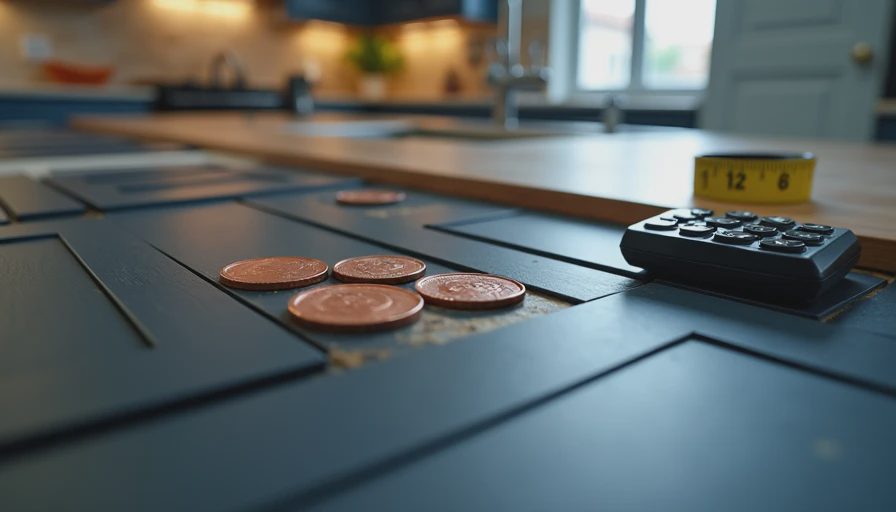
The cheapest kitchen cabinets become expensive when the installer must rebuild the plan around them. A cabinet that costs $250 less but requires two custom fillers, an added end panel, and a modified sink base may erase the savings. Before ordering, draw every wall with exact measurements, including window trim, door casing, plumbing, electrical outlets, and the location of the range hood. Cabinets should fit the room rather than forcing the room to accept a bargain package.
How to compare a cabinet quote line by line
Start with the cabinet box. The sides, bottom, back, and face frame determine whether the unit stays square during delivery and installation. A plywood box is usually more resistant to moisture and screw pullout than particleboard, but a well-made furniture-board box can still be serviceable in a dry kitchen. Do not pay extra for plywood simply because the word sounds premium. Ask for the actual thickness and construction method.
Next, inspect the drawers. A basic five-piece drawer made from plywood or solid wood, with a dovetailed corner, is a meaningful upgrade over a stapled particleboard drawer. Soft-close undermount slides are convenient and clean-looking, but they add cost. Side-mount full-extension slides are often easier to replace and can be perfectly adequate in a budget kitchen. A kitchen with six usable drawers is usually more pleasant than one with twelve narrow drawers added only to increase the sales price.
The door finish deserves equal scrutiny. Thermofoil and laminate are often inexpensive and easy to wipe clean, while painted MDF can deliver a smooth appearance at a moderate price. Natural wood veneer gives you grain without the cost of thick solid wood doors. Solid wood is not automatically more durable; wide painted wood panels can move with humidity and develop hairline cracks at the joints. Finish quality, edge treatment, and repairability matter more than a label.
Spend on function before appearance
If the budget is tight, put money into the parts you touch every day. A full-extension drawer beside the range, a properly sized trash pullout, and a wide drawer for pots can improve the kitchen more than an expensive door profile. Keep the cabinet color simple and use standard sizes. White, natural maple, and light oak finishes are often easier to match if a door is damaged later.
Avoid paying for decorative end panels where a finished cabinet side will do. Skip unnecessary crown molding if the ceiling is uneven or the room has a simple contemporary style. A clean scribe to the wall can look more intentional than thick trim hiding a poor fit. Likewise, do not buy every interior accessory offered by a showroom. A $250 tray divider can often be replaced by a $30 adjustable organizer after the kitchen is in use.
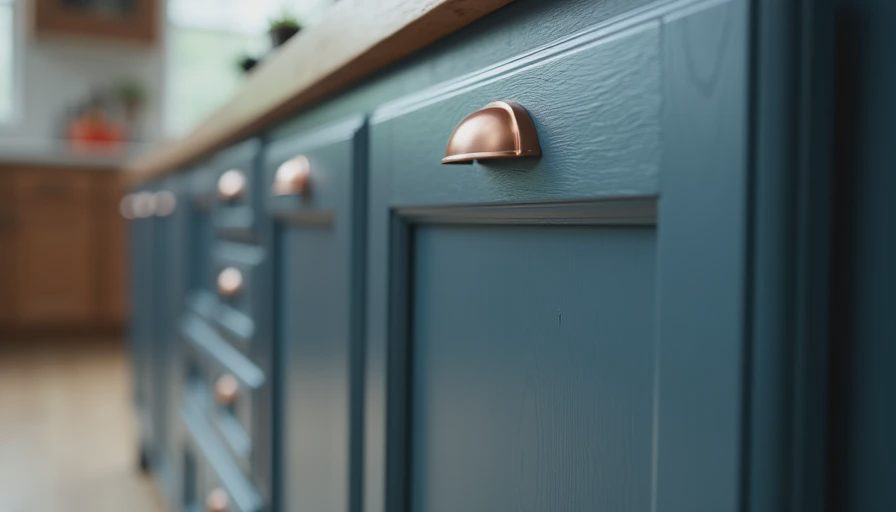
Hardware is another place to make a measured choice. Pulls from Rejuvenation, Schoolhouse, or a local hardware supplier can range from $6 to $40 each, while premium designer pieces can cost several times more. Choose a consistent center-to-center size, such as 3 or 5 inches, so replacements are easy. The cheapest kitchen cabinets paired with decent pulls and accurate installation can look more resolved than expensive cabinets with randomly selected hardware.
Installation is part of the cabinet price
A budget cabinet order still needs a level starting point. Floors and walls are rarely straight, especially in older Seattle houses and other homes that have settled over time. An installer may need to shim the base run, scribe a filler, level a corner, or modify a panel around a vent. Labor commonly adds several thousand dollars, and complicated layouts cost more than a straight run, even when the cabinet package is inexpensive.
If you assemble RTA cabinets yourself, build one test cabinet before opening every box. Check whether the cam fittings tighten properly, whether the doors align, and whether the instructions account for finished end panels. Set up a flat work surface and protect the parts from a damp garage floor. A rushed assembly can leave a cabinet out of square, which then shows up as uneven reveals across the whole wall.
Plan for a few professional tasks even on a do-it-yourself project. Electrical work, gas connections, plumbing changes, countertop templating, and wall removal should not be improvised. Saving $800 on installation is not a saving if a sink leak damages the cabinet floor or a range hood is vented incorrectly.
When custom work is the cheaper long-term answer
Custom cabinetry is not the budget solution for every kitchen. A small shop may charge $15,000 to $35,000 or more for a complete kitchen, before appliances and countertops. That price reflects drawings, fabrication, finishing, installation, and the labor required to make each piece fit a particular room. It is difficult to justify when a standard stock layout already suits the walls.
There are rooms, however, where a hybrid approach wins. Use stock or RTA boxes for the straightforward base cabinets, then commission a custom pantry, appliance surround, or difficult corner. A cabinetmaker can make a 9-inch filler useful with pullout storage, build a bookshelf into an empty end, or create a ceiling-height bridge around a refrigerator. You spend custom money only where standard parts create wasted space.
The cheapest kitchen cabinets are therefore the ones that solve the actual storage problem with the fewest corrections. Price the complete project, not the box on the shelf. Compare the specification, count the drawers, confirm the fillers and panels, and include delivery, assembly, installation, hardware, and likely repairs. That process often points to stock or RTA cabinets, but it can also show that one carefully made custom component prevents a much larger compromise.




No comments yet — grab the first one.