Cheap kitchen cupboards are not automatically a bad decision. I have installed plenty of budget-minded kitchens that worked well for years, and I have also repaired expensive-looking cabinets that failed at the hinges before the paint had fully cured. The difference is usually not the sticker price. It is the construction, the measurements, and knowing which parts of a cabinet take abuse every day.
A kitchen is a storage system with doors attached. If you spend the entire budget on decorative end panels but accept weak drawer boxes, you have put money in the wrong place. The smart approach is to separate visible finishes from structural components, then spend where replacement is difficult.
What cheap kitchen cupboards usually include
Most budget cabinets use particleboard or medium-density fiberboard for some combination of the box, shelves, and door. That is not automatically a problem. A well-sealed 3/4-inch melamine cabinet box can be practical, easy to clean, and dimensionally consistent. The trouble starts with thin 1/2-inch sides, stapled joints, undersized shelves, and raw edges near the sink.
Look for cabinets with a 3/4-inch adjustable shelf, a fully captured back or a substantial back panel, and hinges that allow three-way adjustment. Blum and Salice hardware are common in better cabinet lines, while entry-level products often use less durable copies. A soft-close hinge is useful, but it cannot rescue a cabinet box that racks out of square.
For drawers, inspect the construction rather than the marketing name. A 5/8-inch solid-wood or plywood drawer box with a dovetailed front and rear joint is a meaningful upgrade. A thin stapled particleboard drawer can still hold utensils, but it is a poor choice for a 36-inch pot drawer loaded with cast iron.
Where to spend your cabinet budget
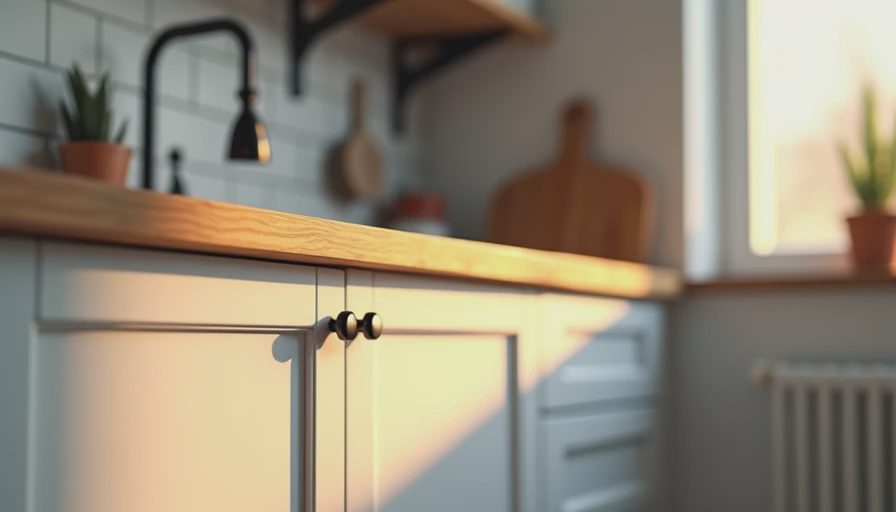
When comparing cheap kitchen cupboards, put money into the wet and high-use areas first. The cabinet beneath the sink sees leaks, cleaning products, and repeated door slams. The drawer beside the cooktop may open dozens of times a day. A pantry pullout carries heavy cans on narrow runners. These locations deserve better material and hardware than a rarely opened upper cabinet.
A useful allocation is simple: choose a standard cabinet size where it fits, upgrade the sink base and working drawers, and keep decorative features restrained. Flat slab doors or simple Shaker doors cost less to manufacture than applied moldings, arched details, or inset construction. That savings can fund full-extension drawer slides, a plywood sink base, or a finished end panel where visitors will actually see it.
Do not automatically reject stock cabinets. IKEA, Hampton Bay, and several regional home-center lines can solve a straightforward wall with standard dimensions. Their limitations appear around crooked walls, odd corners, appliance fillers, and ceiling-height storage. If your room is square and your layout is conventional, a stock system can be a rational tool rather than a compromise.
Materials that change the price
The phrase cheap kitchen cupboards covers several different material packages. Thermally fused laminate on particleboard is often the lowest-cost option. It resists everyday spills when the edges are sealed, but swelling around an unprotected sink cutout is difficult to repair. Painted MDF doors offer a smooth finish and stable profiles, though damaged corners can be challenging to touch up.
Plywood boxes usually cost more, often adding hundreds or several thousand dollars across a kitchen depending on size and brand. Plywood is not magic; poor assembly can still produce a weak cabinet. It is valuable because screw holding, edge durability, and moisture tolerance are generally better than basic particleboard. Ask whether the box is plywood throughout or only the bottom and sides. Product descriptions sometimes use “plywood construction” for a cabinet with limited plywood components.
Door material also affects the quote. Thermofoil is economical and easy to wipe clean, but heat from a range or toaster oven can loosen the coating. Painted maple costs more but accepts a durable finish and can be repaired more naturally. Oak and walnut add grain, but the lumber itself is only one part of the price; sorting, machining, finishing, and installation create much of the final cost.
Measure the room before buying anything
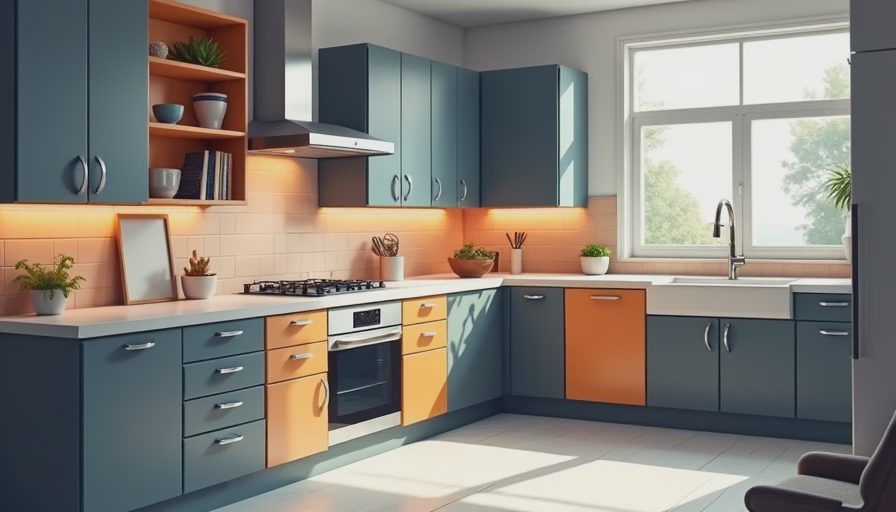
The cheapest cabinet becomes expensive when it does not fit. Before ordering cheap kitchen cupboards, record every wall length, ceiling height, window opening, doorway, outlet, plumbing stub, and appliance dimension. Measure each wall in several places because older houses rarely offer a perfectly straight line. Note whether the floor rises toward one corner. A 1-inch discrepancy can consume the filler space needed to open a refrigerator door.
Create a basic elevation for each wall instead of relying only on a floor plan. Mark the cabinet widths, countertop depth, crown or light rail, and appliance clearances. Standard base cabinets are commonly 24 inches deep before the countertop, while wall cabinets are often 12 inches deep. Those numbers are useful starting points, not permission to ignore an out-of-square room.
Leave service space for installers. A sink base needs room for plumbing, and an oven or dishwasher may require specific opening dimensions. Check the appliance installation sheet before finalizing cabinet widths. Cutting a cabinet after delivery is not a clever discount; it is usually a visible repair.
When custom cabinets earn their price
Custom work makes sense when the room has constraints that stock boxes cannot absorb. Examples include a 1920s Seattle bungalow with sloping floors, a narrow galley kitchen with a radiator, or a tall homeowner who needs a different working height. Custom cabinets can also use the last 4 inches beside a wall, create a full-height pantry, or coordinate the kitchen with a nearby mudroom and built-in dining storage.
That does not mean every kitchen needs a fully custom shop. Semi-custom cabinets often offer more widths, finishes, and modifications without the cost of a one-off cut list. A good cabinetmaker should explain the difference between a necessary modification and a decorative upgrade. If the only reason for custom work is a preference for one particular paint color, a factory-finished line may be the better purchase.
As a rough planning range, stock cabinetry for a modest kitchen can start in the low thousands before countertops, delivery, and installation. A midrange semi-custom project often reaches the mid-five figures, while fully custom cabinetry can move higher based on wood species, finish, hardware, and room complexity. Quotes are only comparable when they include the same panels, fillers, trim, delivery, and installation.
A practical buying checklist
Before placing an order for cheap kitchen cupboards, ask for a written specification. Confirm the box material, thickness, back construction, shelf thickness, drawer joint, slide rating, hinge brand, finish type, and warranty. Request a sample door and inspect the exposed edge. If the edge banding peels when you catch it with a fingernail, do not assume the installed version will be better.
Check whether the quote includes finished sides. An unfinished cabinet side beside a doorway can be more noticeable than a modest door upgrade. Confirm the price of fillers, toe kicks, crown, light valance, panels for dishwashers, and refrigerator end panels. These line items frequently turn a tempting online price into a very different delivered total.
Finally, ask how damaged parts are handled. A reputable supplier can explain the replacement process and expected lead time. Take photographs at delivery, inspect every box before installation, and keep spare touch-up material. Careful planning will not make every cabinet premium, but it prevents a budget purchase from becoming a demolition project six months later.
The best cheap kitchen cupboards are not the ones with the lowest number on the first quote. They are the cabinets that put durable hardware and sensible construction in the places your household uses hardest, while avoiding details that add cost without improving storage. Buy the simple box where it works, upgrade the joints and moving parts, and use custom cabinetry only where the room genuinely demands it.




No comments yet — grab the first one.