Searching for cabinets near me usually means you have reached the point where a room's storage problem is no longer theoretical. The pantry door catches on the refrigerator, coats collect on a chair, or the bathroom vanity leaves six inches of useless wall. Local cabinet shops can solve those problems, but the nearest listing is not automatically the right one. You need to compare construction, design skill, installation, and cost before committing.
I have spent 19 years in cabinet shops, first at the bench and now running a nine-person custom shop in Seattle. The most successful projects start with a clear brief, not a Pinterest image or a rushed request for a price per linear foot.
Start with the room, not the search results
Before visiting cabinets near me, measure the room and write down what the storage must hold. A kitchen pantry for cereal boxes, countertop appliances, and bulk goods needs a different interior than a linen cabinet for folded towels. In a mudroom, the useful dimensions are driven by boots, backpacks, coats, and the clearance needed to open doors comfortably.
Record ceiling height, wall lengths, window locations, outlets, plumbing, baseboard thickness, and any out-of-square corners. Do not worry about producing a professional drawing. A phone video that shows how doors open and where people walk can tell a cabinetmaker more than a rough sketch with no context.
Then decide which items deserve custom work. IKEA, semi-custom manufacturers, and ready-to-assemble cabinets have a legitimate place when dimensions are standard and the budget is tight. Custom cabinetry earns its price when a sloped ceiling, narrow chimney breast, deep alcove, or awkward transition would otherwise leave expensive dead space.

What to look for in a local cabinet shop
When comparing cabinets near me, ask to see a completed project in person or detailed photographs of finished interiors, not only dramatic kitchen elevations. Look closely at door reveals, drawer alignment, edge quality, and how the cabinetry meets walls and ceilings. A clean installation should not depend on oversized filler strips hiding poor planning.
Ask what the boxes are made from. A practical specification might include three-quarter-inch prefinished maple plywood for cabinet sides, a durable plywood or furniture-grade panel for backs, and solid hardwood or high-quality veneer for exposed parts. Melamine interiors can be perfectly serviceable when properly edged and assembled; they are not automatically inferior. The important questions are thickness, joinery, fastening, and how the material suits the room.
Hardware deserves equal attention. Blum and Salice hinges and drawer systems are common professional choices because replacement parts and adjustment information remain available. Soft-close hardware is useful, but it does not rescue a poorly built box. Ask whether drawers use undermount runners, what their load rating is, and whether the shop can service them later.
Get a real design and pricing process
A serious local cabinetmaker should visit the site before final pricing. Field measurements reveal details that online forms miss: a wall that leans half an inch, a floor that rises near the fireplace, or trim that prevents a cabinet from sitting tight to the wall. The shop should provide a plan, elevations, and enough construction information for you to understand what you are buying.
Pricing should separate cabinetry, hardware, finishing, delivery, and installation. In many US markets, a modest built-in bookcase may begin around $3,000 to $6,000, while a custom kitchen can run from roughly $25,000 to $75,000 or more depending on size, finish, and hardware. A full-home package involving a kitchen, mudroom, office, closets, and vanities can move well beyond that range. Those figures are starting points, not bids, but they help expose an implausibly cheap proposal.
Ask how changes are handled after approval. A written change order should identify the revised material, labor, and schedule. If a proposal says only “custom cabinets, installed,” you do not yet have enough information to compare it with another shop.
Understand the finish and material trade-offs
Painted cabinets require stable substrates and careful preparation. A good finish schedule may include sanded primer, multiple sprayed coats, and controlled curing between steps. On a frequently touched island, conversion varnish or another professional-grade coating generally offers better durability than a basic field-applied wall paint. The exact product matters less than the preparation and the shop's ability to repair it.
Wood veneer can provide the appearance of walnut, white oak, or rift-sawn oak without using thick solid boards for every panel. For a contemporary project, rift-sawn white oak veneer with a clear finish can create a calm, consistent grain pattern. Solid wood remains valuable for face frames, doors, and selected trim, but it expands and contracts with humidity. Using solid lumber indiscriminately can create problems rather than quality.
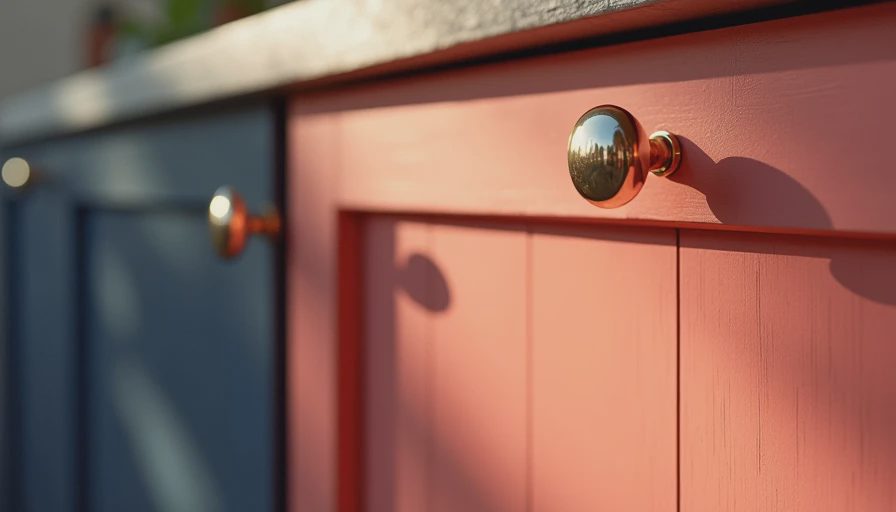
This is where cabinets near me can be a better search than a national catalog: you can hold finish samples in the actual light of your home, discuss regional humidity, and inspect the shop's work before delivery. A sample door should show the inside edge, back, finish sheen, and grain direction—not just a front photograph.
Plan installation as part of the cabinet purchase
Installation is not a minor final step. It determines whether carefully made cabinetry looks built-in or simply placed against a wall. Confirm who installs the work, whether the crew is employed by the shop, and how leveling, scribing, fillers, crown, toe kicks, and wall protection are handled. A skilled installer can scribe a side panel to an uneven wall so the joint appears intentional and tight.
Coordinate the schedule with flooring, countertops, electricians, plumbers, and painters. Base cabinets usually need finished walls and a prepared floor, while tall pantry units may affect outlet locations and appliance clearances. In a bathroom, confirm who sets the sink, connects plumbing, and seals the countertop. These responsibilities should be written down before the first cabinet arrives.
Lead times often range from several weeks to several months. Finishing, specialty hardware, imported panels, and a busy installation calendar can extend the schedule. A shop that gives you a realistic date and explains the sequence is more useful than one promising an unusually fast turnaround without reviewing the drawings.
A practical way to compare cabinets near me
Shortlist three shops rather than requesting a dozen vague estimates. Send each the same room measurements, appliance list, inspiration images, and target date. Ask each shop to price the same basic scope so you can compare actual differences instead of comparing a plywood kitchen with a laminate placeholder.
During consultations, notice whether the cabinetmaker asks about how you live. Do they ask where the coffee machine sits, whether children use the mudroom, or how often you host? Good design is not just a row of attractive doors. It is drawer height, landing space, lighting access, cleaning clearance, and hardware placed where your hand naturally reaches.
Before signing, confirm the deposit schedule, warranty, insurance, installation scope, payment milestones, and process for approving shop drawings. Review every elevation carefully. The time to move a drawer stack or change a door swing is before material is ordered, not when the truck is in your driveway.
The best cabinets near me result is not necessarily the shop with the lowest estimate or the highest-end showroom. It is the team that understands your house, explains the cost in plain language, documents the work, and can stand behind the installation. Treat the entire home as one storage system, solve the difficult spaces first, and the finished rooms will feel deliberate rather than filled one purchase at a time.





No comments yet — grab the first one.