When someone searches for a 12 deep cabinet, they are usually trying to solve a real space problem: a hallway that is too narrow for standard casework, a home office with limited clearance, or a bathroom wall that needs storage without swallowing the room. Twelve inches can be an excellent finished depth, but only when the cabinet is designed around what it will hold. A shallow cabinet is not simply a regular cabinet cut down in size.
What a 12-inch cabinet can actually hold
A 12 deep cabinet works best for objects that do not need a full kitchen-cabinet footprint. Books, folded towels, small appliances, cleaning supplies, office files, shoes, and pantry cans can all fit when the interior is laid out carefully. A cabinet with 12 inches of finished outside depth usually has an interior depth closer to 10 1/2 or 11 inches after accounting for a 3/4-inch back and the sides. That distinction matters when you are measuring baskets or planning adjustable shelves.
For books, an 11-inch clear shelf is generous enough for most paperbacks and hardcovers. For folded bath towels, allow about 12 inches of width per stack and avoid making shelves excessively deep. In a mudroom, the same footprint can hold gloves, hats, dog leads, and everyday shoes, although larger footwear may need an open cubby rather than a closed door.
The cabinet should also be measured around its use. A 12 deep cabinet above a desk can store stationery and project materials, while one beside a refrigerator may be better suited to trays, cutting boards, or slim baking sheets. Depth is only one line on the shop drawing; shelf spacing, door swing, and reach determine whether the cabinet earns its floor space.
Construction details that keep shallow cabinets rigid
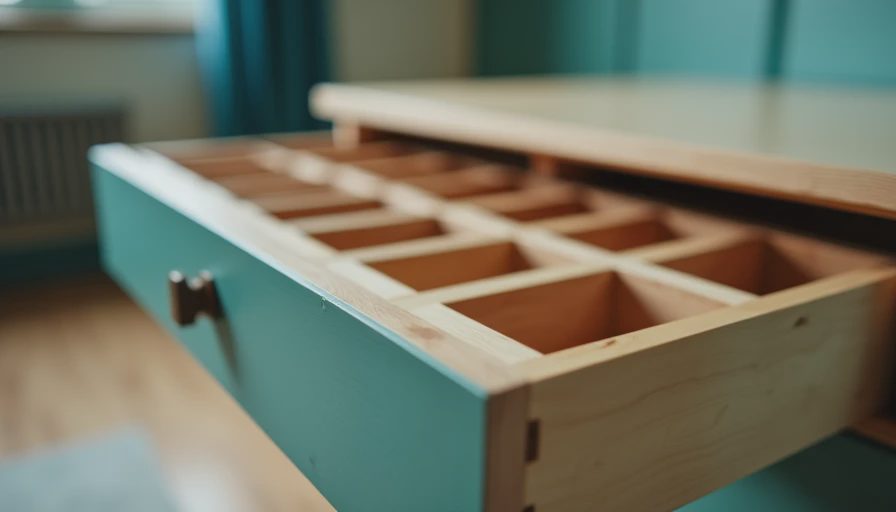
The main structural challenge is not the depth. It is preventing a tall, narrow box from racking or feeling flimsy when the door opens. I generally prefer 3/4-inch plywood for the sides, top, bottom, and fixed shelves. Cabinet-grade maple plywood gives a clean, stable substrate for paint, while prefinished birch plywood is practical inside a utility cabinet. Melamine can work for an economical interior, but exposed edges need proper matching edge banding rather than a thin iron-on strip.
A full back set into dados adds much more stiffness than a thin panel simply stapled over the rear. For a wall-mounted unit, the hanging rail should be substantial enough to accept structural screws into studs. A French cleat can distribute the load, but it still needs solid attachment to the wall framing. Do not rely on drywall anchors for a loaded upper cabinet, particularly in a home with children or frequent daily use.
Tall shelves deserve attention too. A 30-inch-wide adjustable shelf made from 3/4-inch plywood may sag under a row of books if it spans without support. Add a front hardwood lipping, reduce the span with a center divider, or specify thicker material. A small change in the cut list is cheaper than replacing bowed shelves after installation.
Doors, drawers, and hardware for shallow storage
A 12 deep cabinet can use slab, Shaker, or inset doors, but the hinge choice affects usable interior space. European concealed hinges typically need a little clearance inside the cabinet, and a full-overlay door can make a clean, simple face. In a narrow corridor, doors that project into the walking path deserve caution. A pair of small doors may be safer than one wide door, though each meeting stile adds a visual line.
Drawers are useful for small items, but they consume depth quickly. A 12 deep cabinet may only provide roughly 9 to 10 inches of usable drawer depth once the box, front, and clearance are accounted for. That is enough for pens, charging cords, toiletries, and flat tools, but not for deep cookware. Blum Tandem or similar undermount slides are a good fit when the budget supports them; side-mount slides can lower the price and simplify replacement.
For a tall pantry-style unit, consider doors with adjustable shelves instead of forcing shallow drawers everywhere. Use soft-close hinges from Blum, Salice, or Grass when quiet operation matters. Hardware should match the load and frequency of use, not just the finish sample. A beautiful knob does not compensate for a shelf that cannot carry its contents.
Where this cabinet depth earns its keep
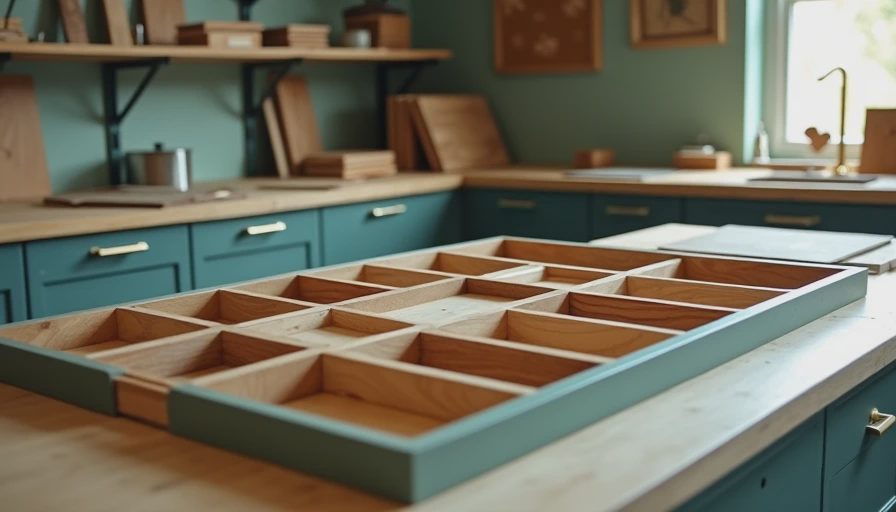
In a hallway, a 12 deep cabinet can create valuable drop-zone storage without reducing the passage to an awkward tunnel. Keep the lowest section open for shoes or baskets, place a drawer around waist height, and reserve the upper shelves for seasonal items. A flush toe kick makes the unit look architectural, while a small reveal between the cabinet and wall helps account for imperfect plaster or drywall.
In a home office, shallow cabinets work well beside a desk or above a continuous work surface. Use adjustable shelves for books and labeled project boxes, then include one cable-management opening where devices actually sit. If a printer is going inside, measure the machine with its paper tray extended and allow ventilation. Many failed office cabinets are built around the printer’s closed dimensions.
Bathrooms are another strong application. A 12 deep cabinet can hold towels, medications, paper goods, and grooming supplies without crowding the vanity. Use moisture-resistant paint, seal exposed edges, and keep the bottom clear of splash zones. Near a shower, I prefer a well-sealed cabinet face and careful ventilation rather than treating ordinary painted MDF as waterproof.
Cost, materials, and the custom advantage
A simple shop-built 12 deep cabinet in paint-grade maple plywood may begin around $700 to $1,500 before installation, depending on height, doors, drawers, finish, and site conditions. A finished walnut or white oak unit with inset doors and premium hardware can move beyond $2,500. Those are useful planning ranges, not a bid; finishing, delivery, scribing, and difficult walls can change the number quickly.
Stock furniture remains the sensible choice for many rooms. IKEA, The Container Store, and ready-made bookcases offer inexpensive storage when a few inches of filler space do not bother you. Custom work earns its premium when the cabinet must align with trim, run wall to wall, hide an uneven corner, meet a sloped ceiling, or coordinate with other built-ins throughout the house.
Material selection should follow the room. Paint-grade poplar or maple plywood keeps a painted project controlled. Rift-sawn white oak brings a quieter grain than plain-sawn oak, while walnut adds cost through both material and finishing time. Ask for a written specification showing panel thickness, back construction, finish type, hardware, and installation scope. That document prevents a low initial price from quietly becoming a different project.
A practical measuring checklist
Before ordering a 12 deep cabinet, measure the wall in at least three places for width and height. Record baseboard thickness, crown molding, outlets, switches, vents, and nearby door swings. Check whether the floor is level and whether the wall bows at the center. A cabinetmaker can scribe a face frame or filler to a wall, but that work should be included in the drawing before fabrication.
Mark the intended cabinet footprint with painter’s tape. Walk past it carrying a laundry basket, opening the adjacent door, or sitting at the desk. This simple test reveals clearance problems that a floor plan can hide. Then place cardboard shelves at the planned heights and test the largest items you expect to store.
Finally, decide whether the unit should appear built-in or furniture-like. A recessed toe kick, matching crown, and wall scribing make it feel original to the house. Legs, a finished side, and a visible top can make it read as a freestanding piece. Both approaches are legitimate; the right one depends on the room and the surrounding millwork.
A well-designed 12 deep cabinet is a small piece of casework with a surprisingly large effect. Get the measurements, substrate, hardware, and storage purpose right, and it can turn leftover wall space into useful architecture rather than another box that collects clutter.




No comments yet — grab the first one.